
For five days, the Hellenic Air Force Academy in Athens became the setting for a demanding test of how people, procedures and technology work together during a CBRN-E emergency.
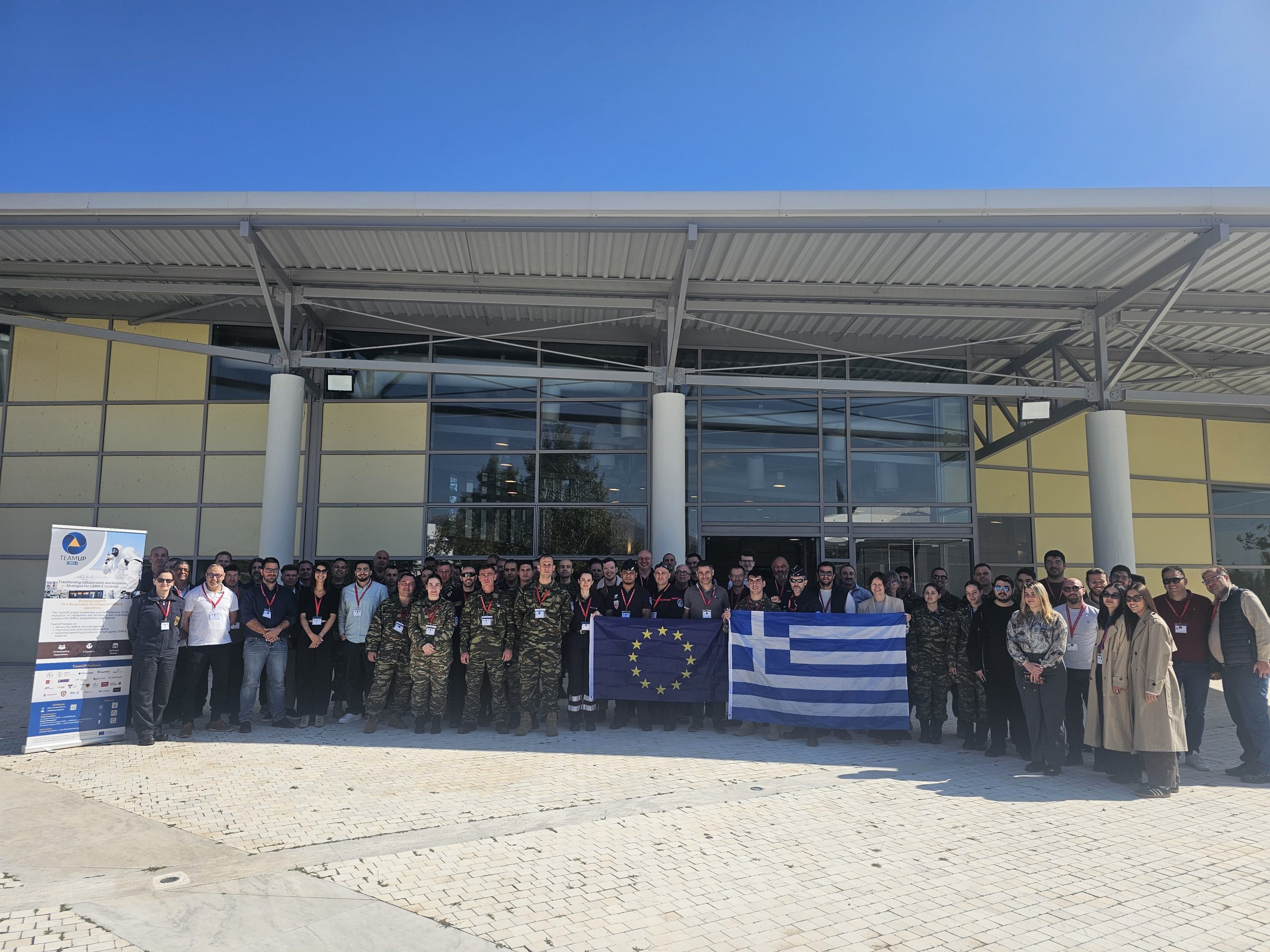
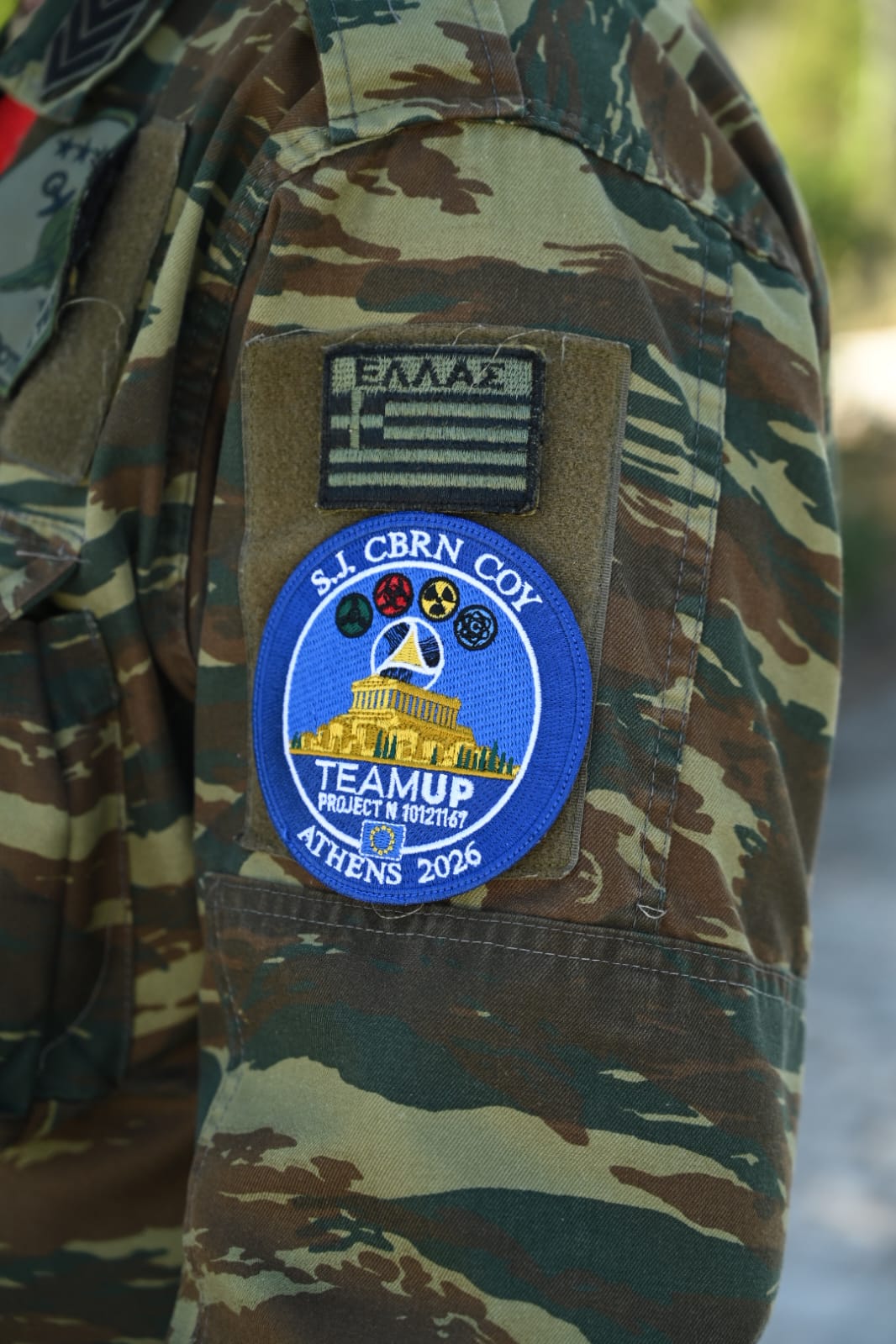
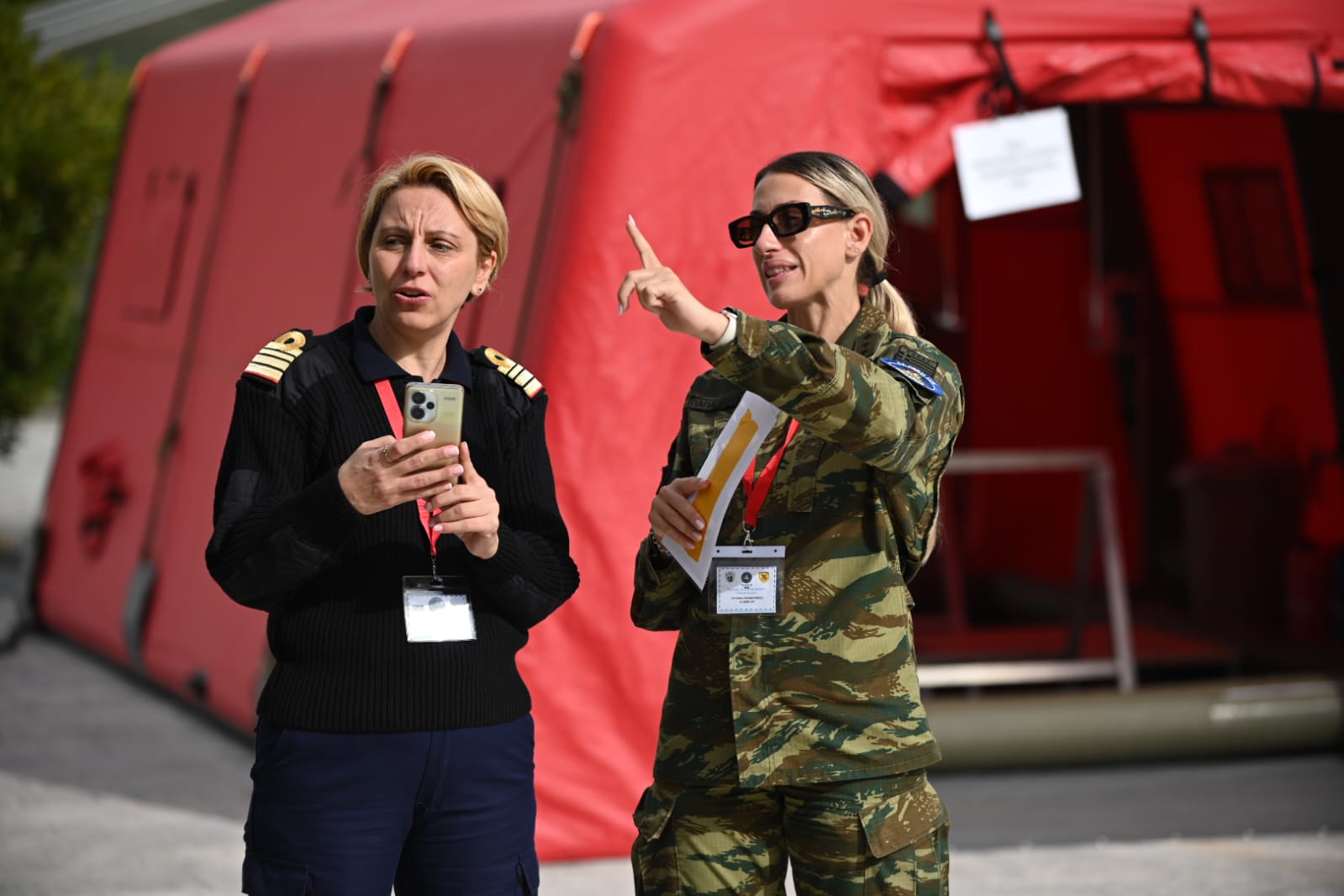
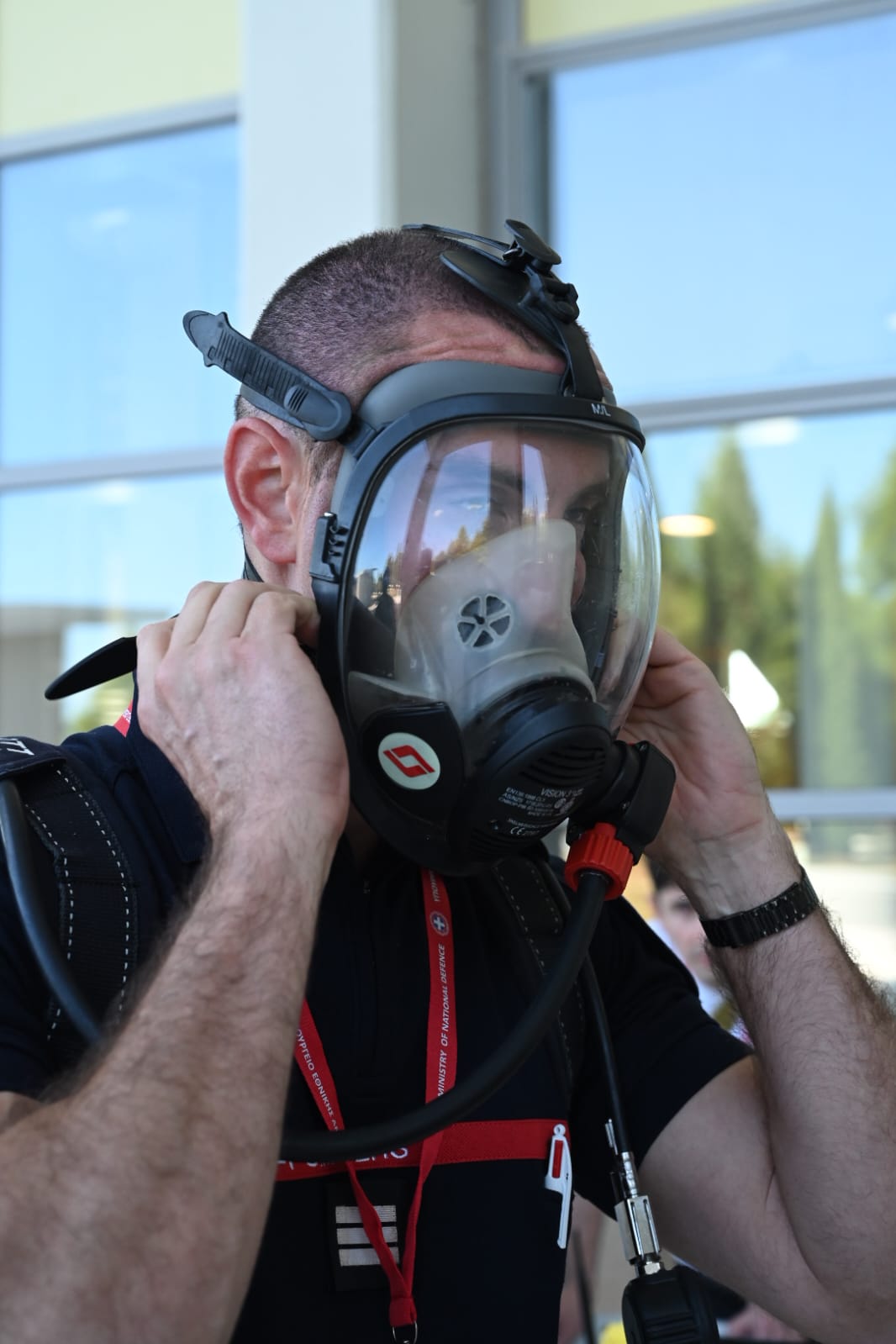
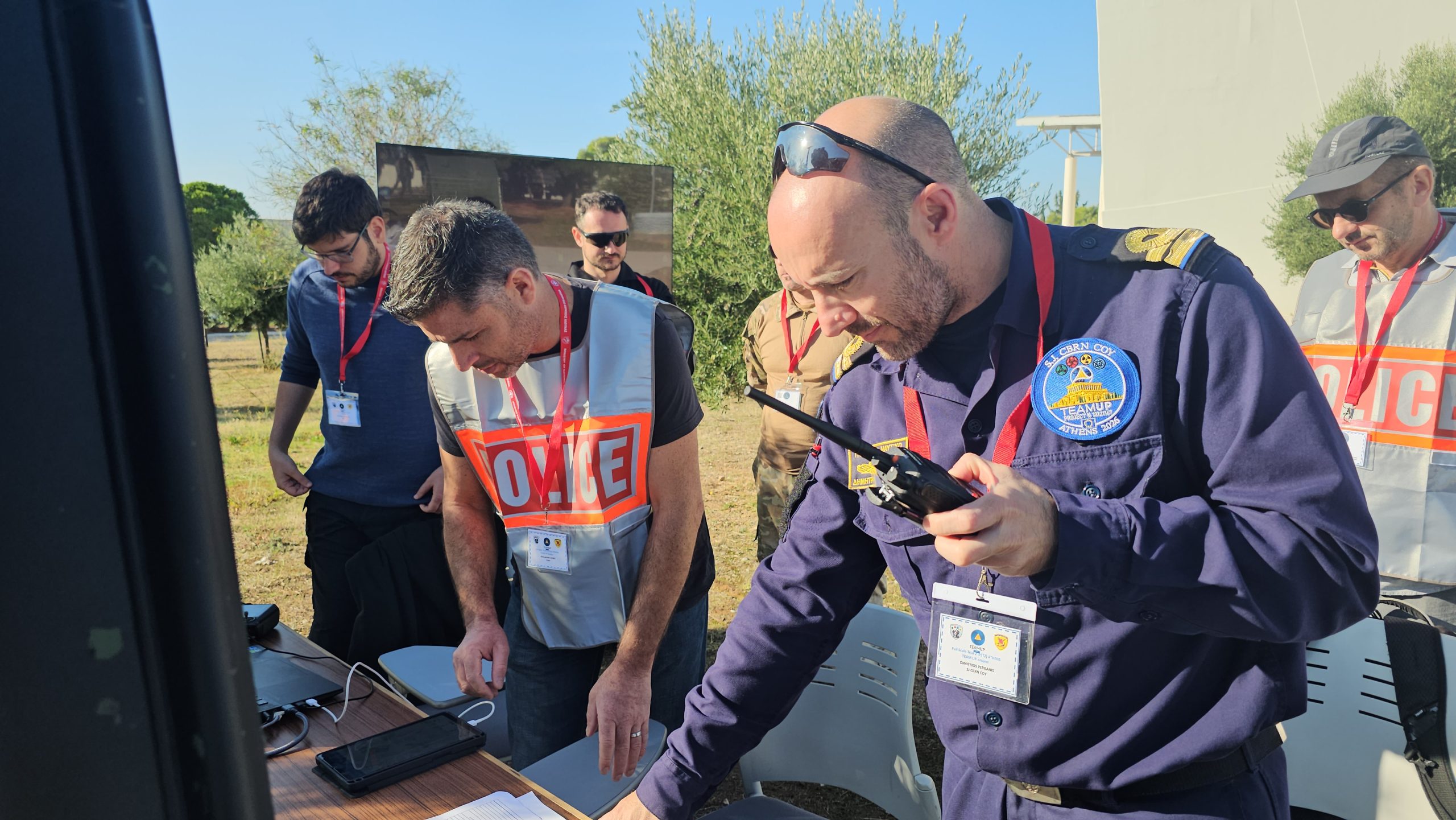
TeamUP’s second and final Full-Scale Trial (FST2) took place from 19 to 23 October 2026, hosted by the Hellenic Ministry of Defence (HMOD). The trial brought together first responders, project partners and participating responder organisations to test and assess the project’s integrated toolkit under conditions closely reflecting real-life operational scenarios. The exercise focused on a realistic chemical and biological hazard scenario inside a public building, where responders needed to assess an evolving incident, manage affected people, and coordinate their actions. The objective was to examine how the project’s technologies could support the response as a connected set of capabilities, rather than as standalone solutions.
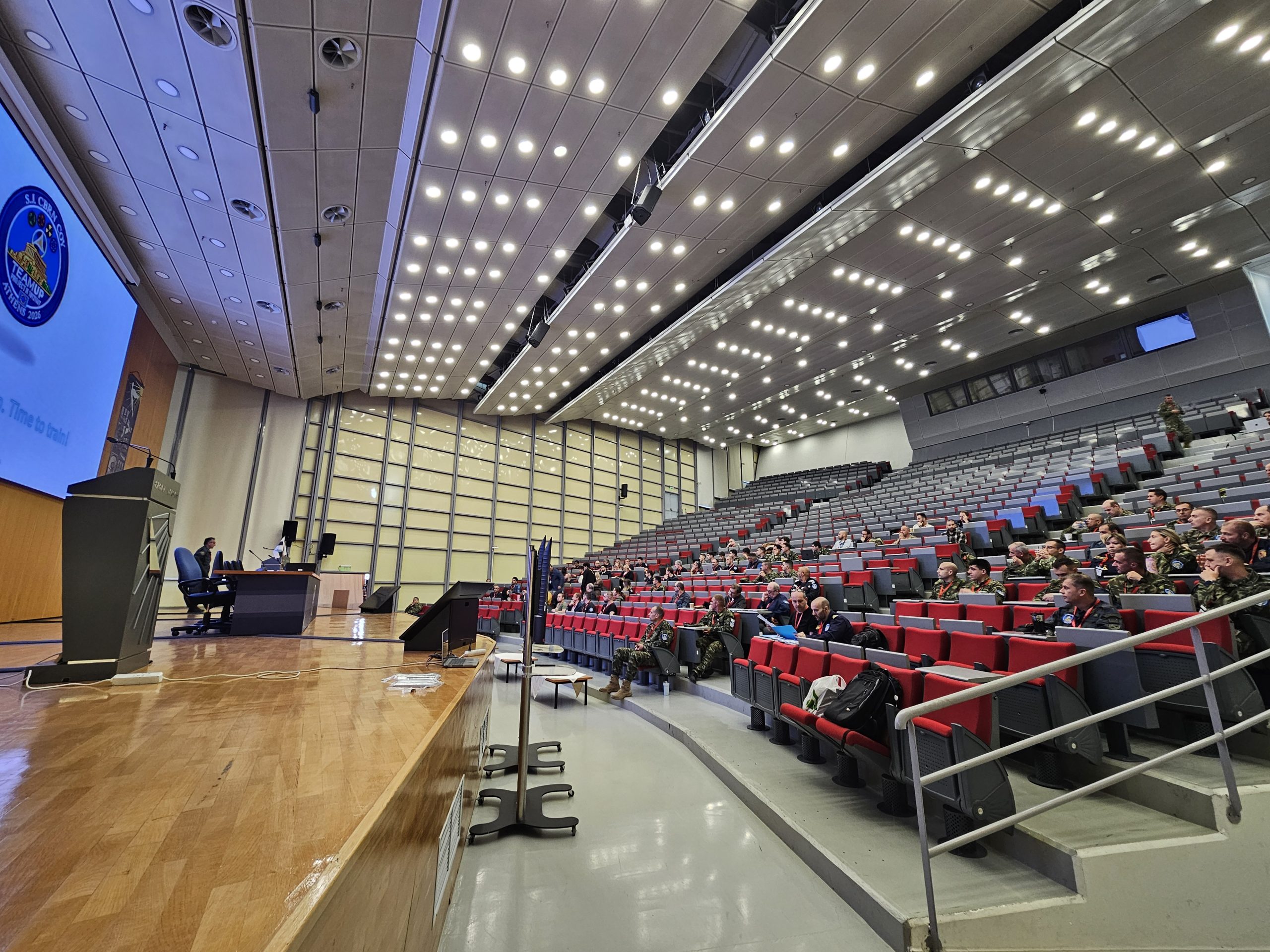
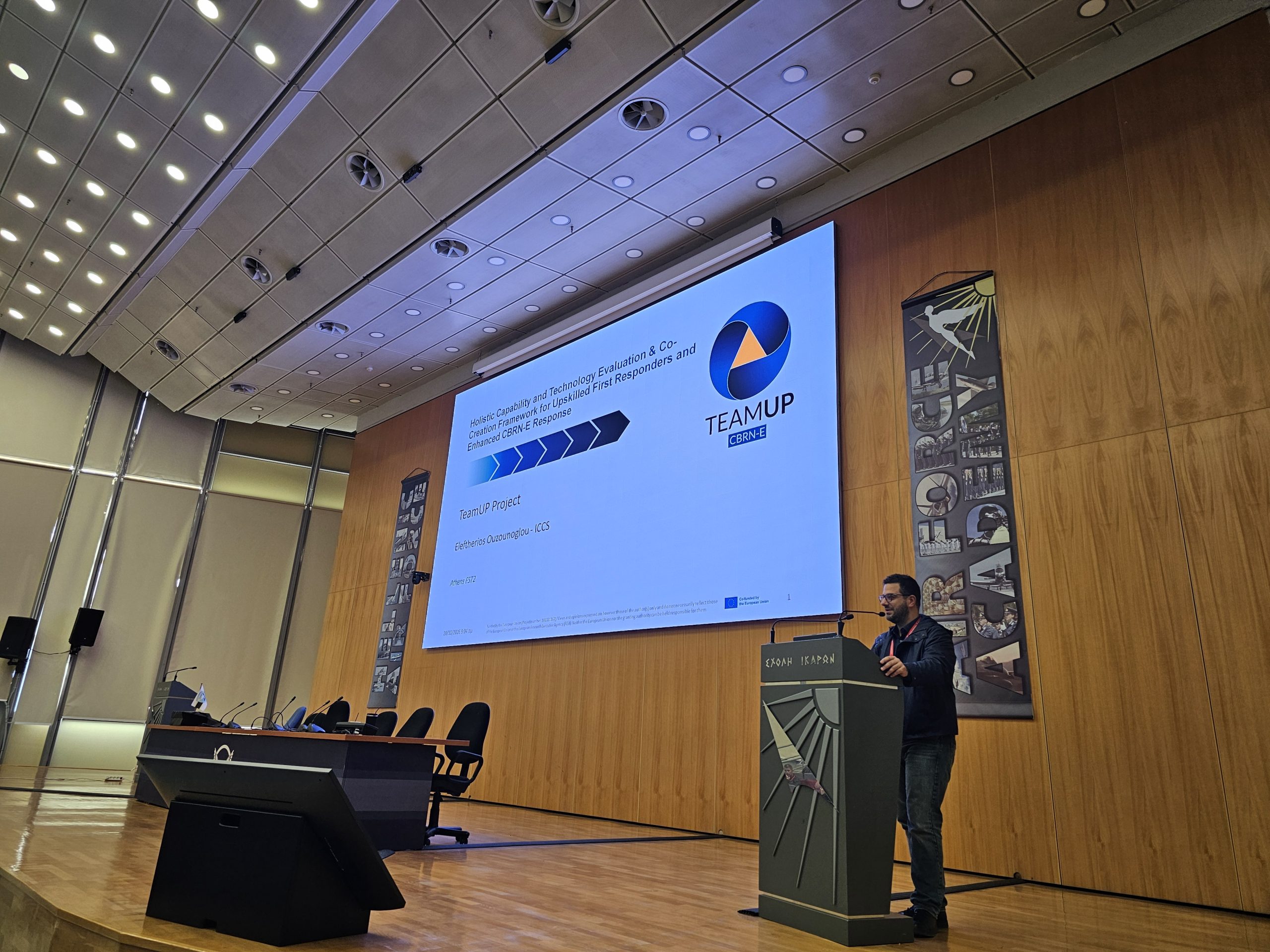
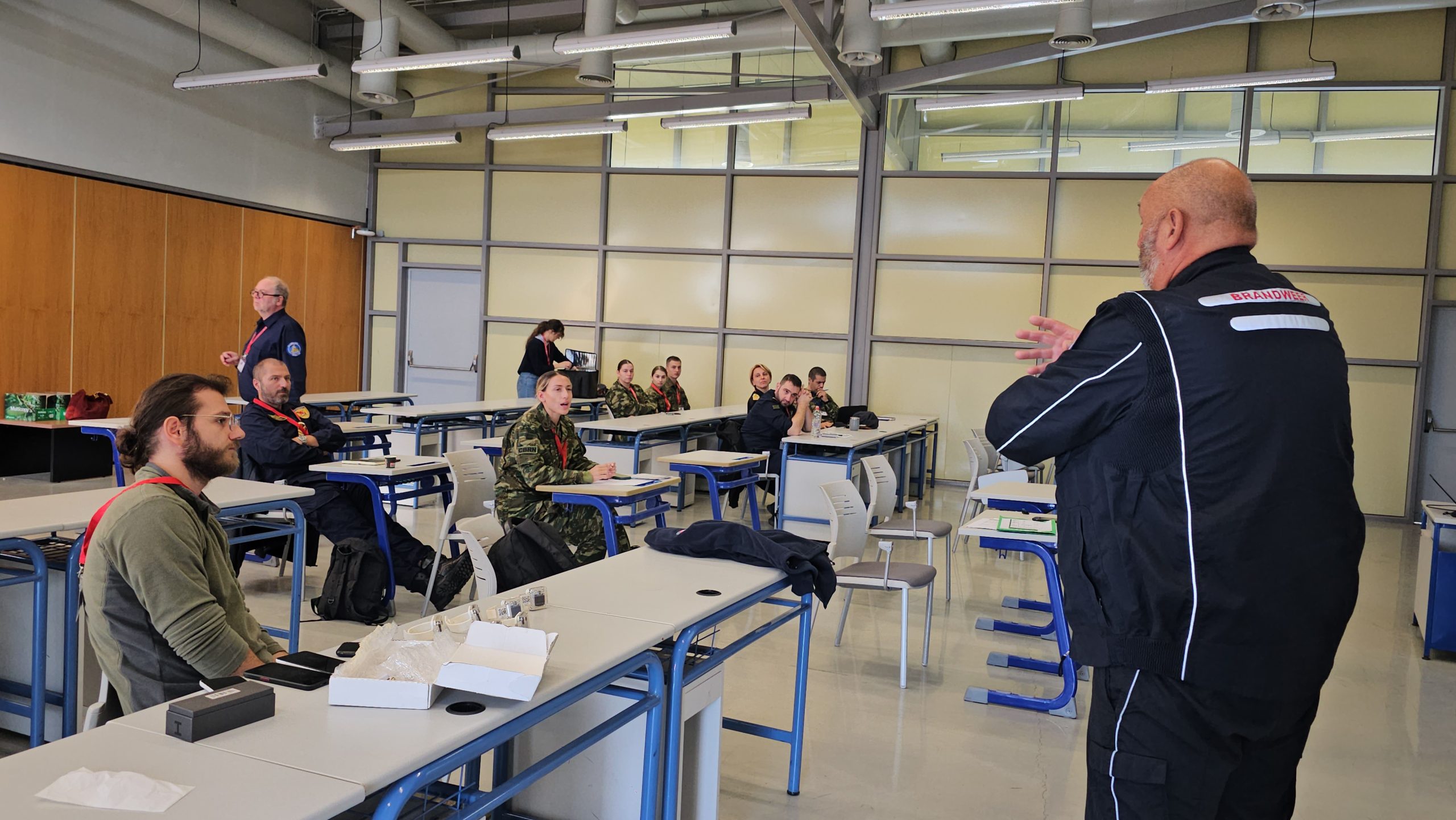
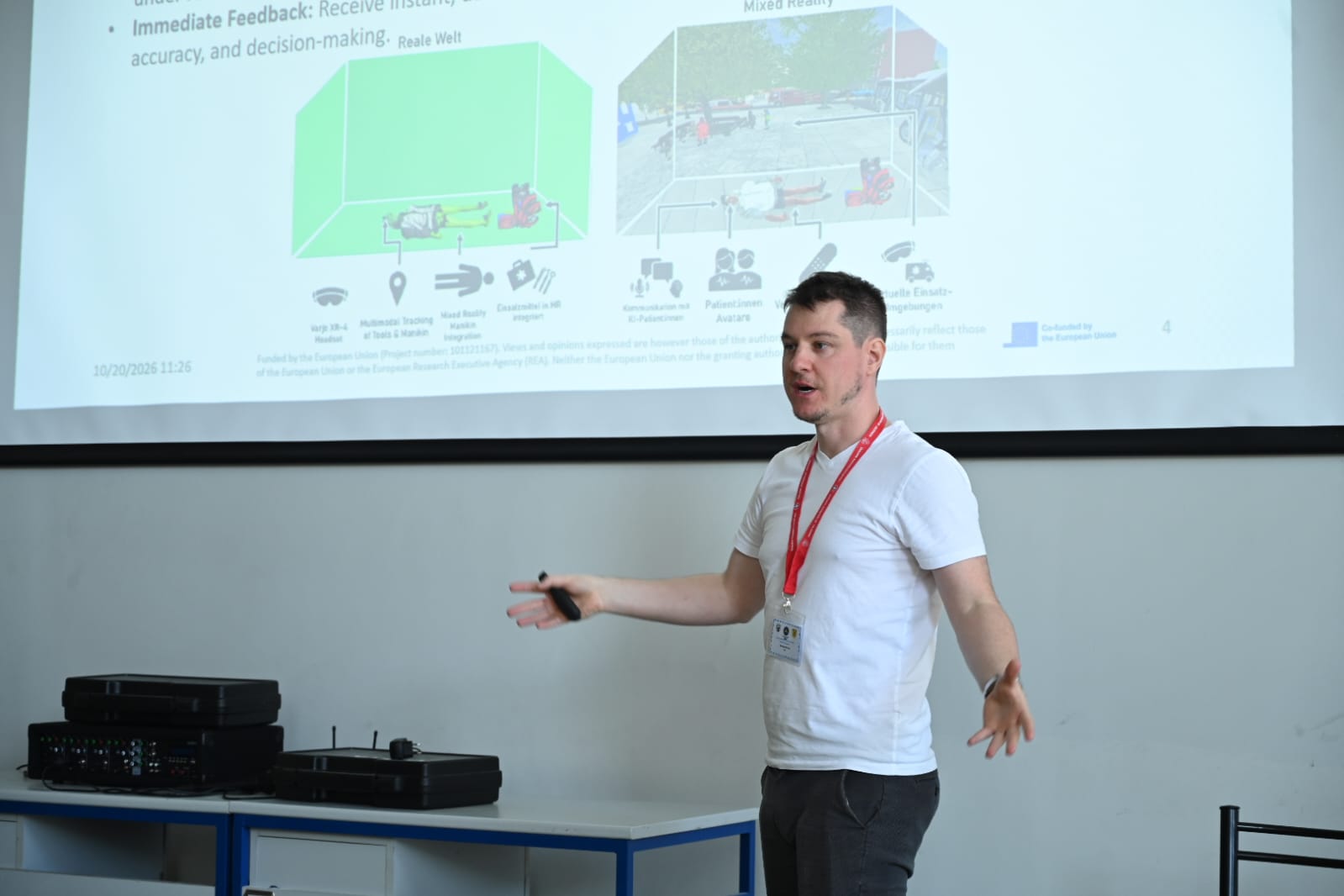
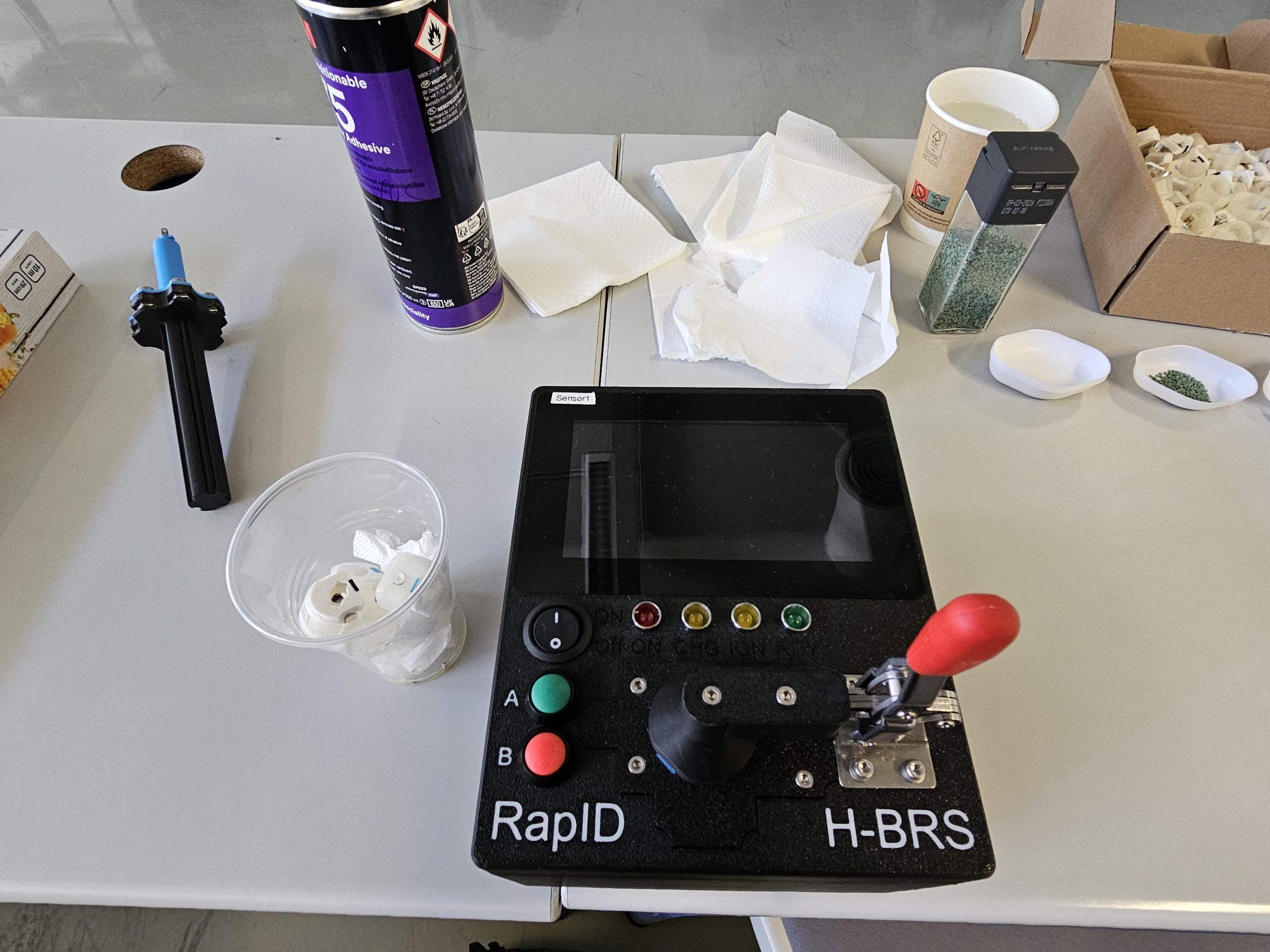
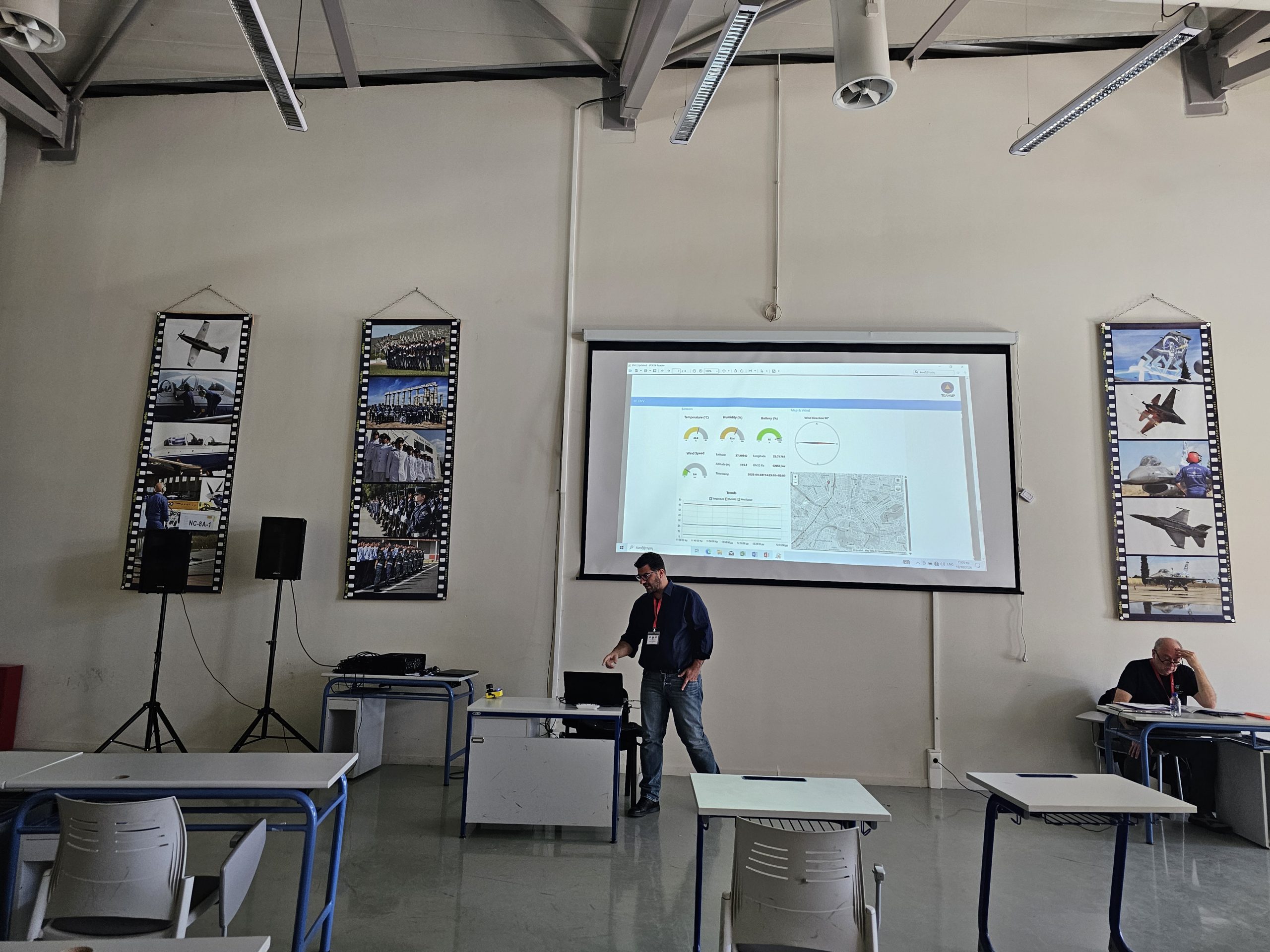
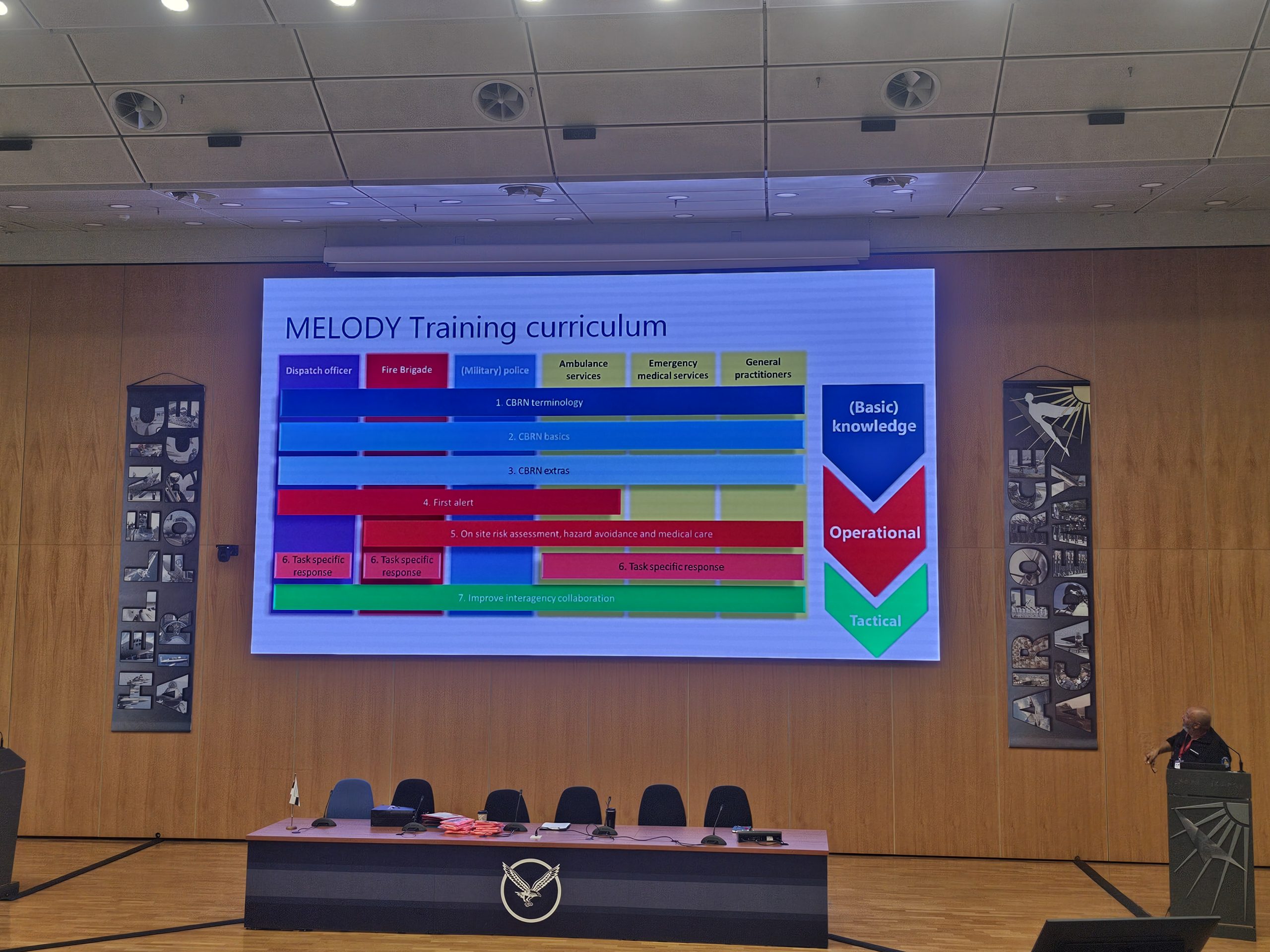
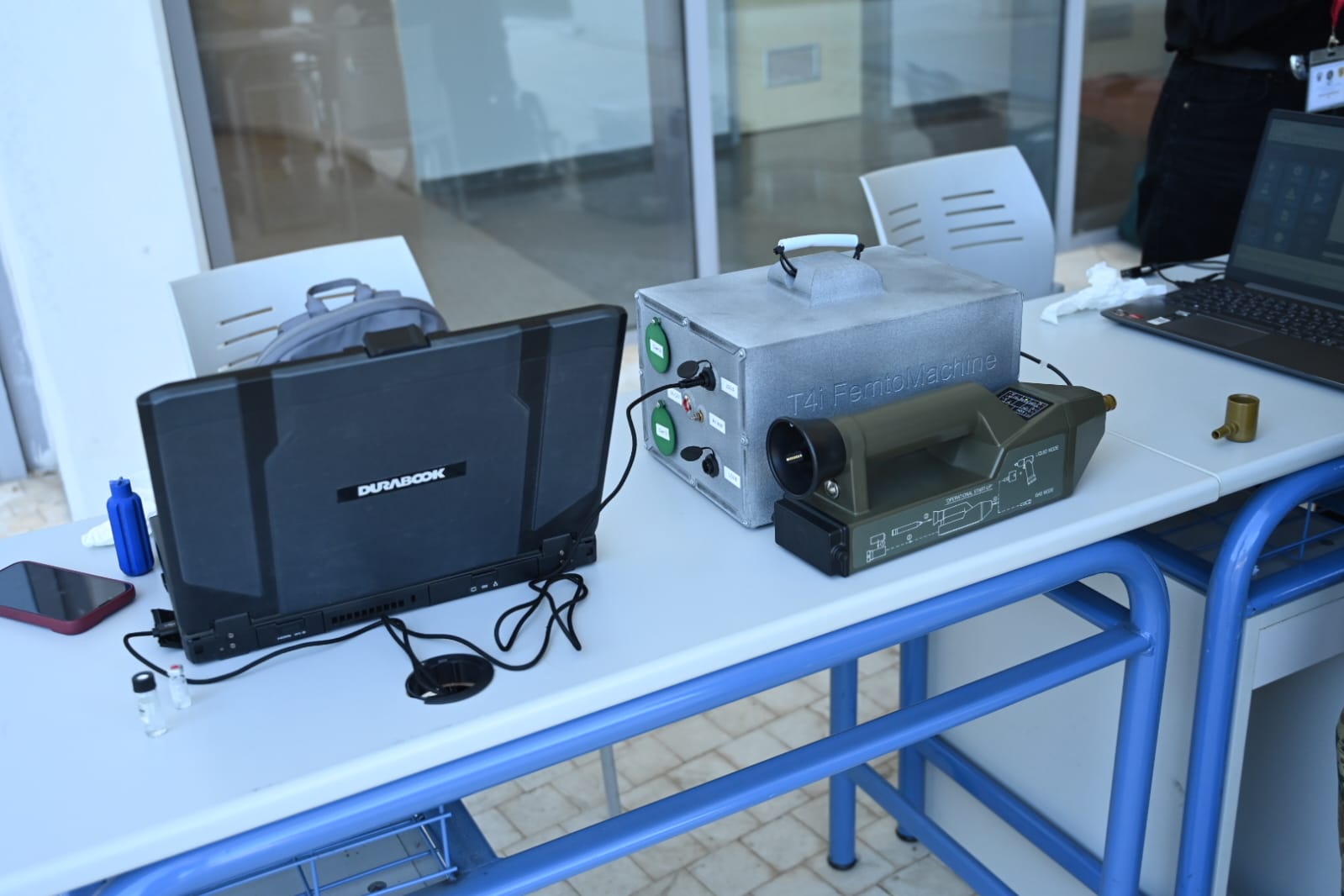
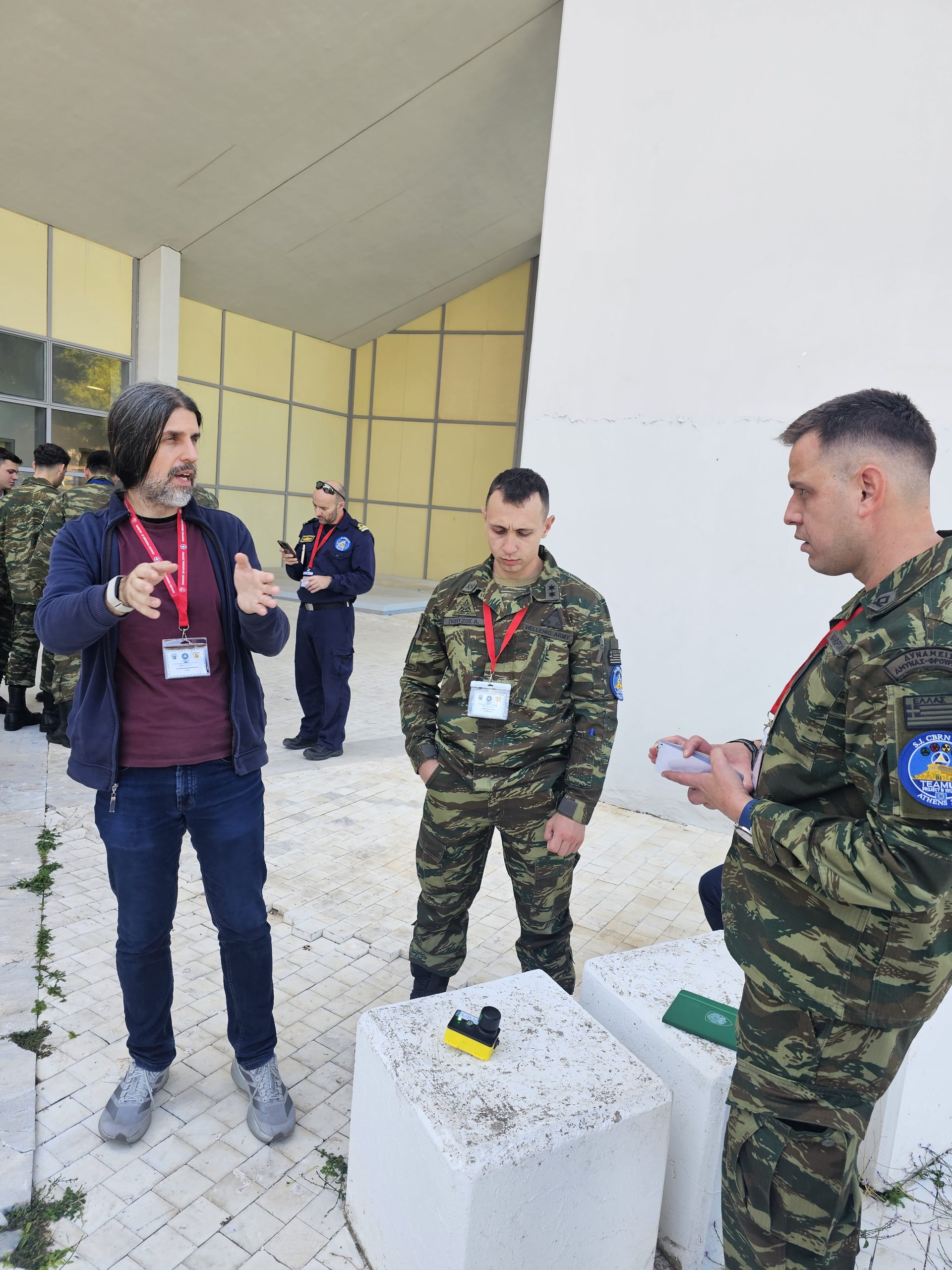
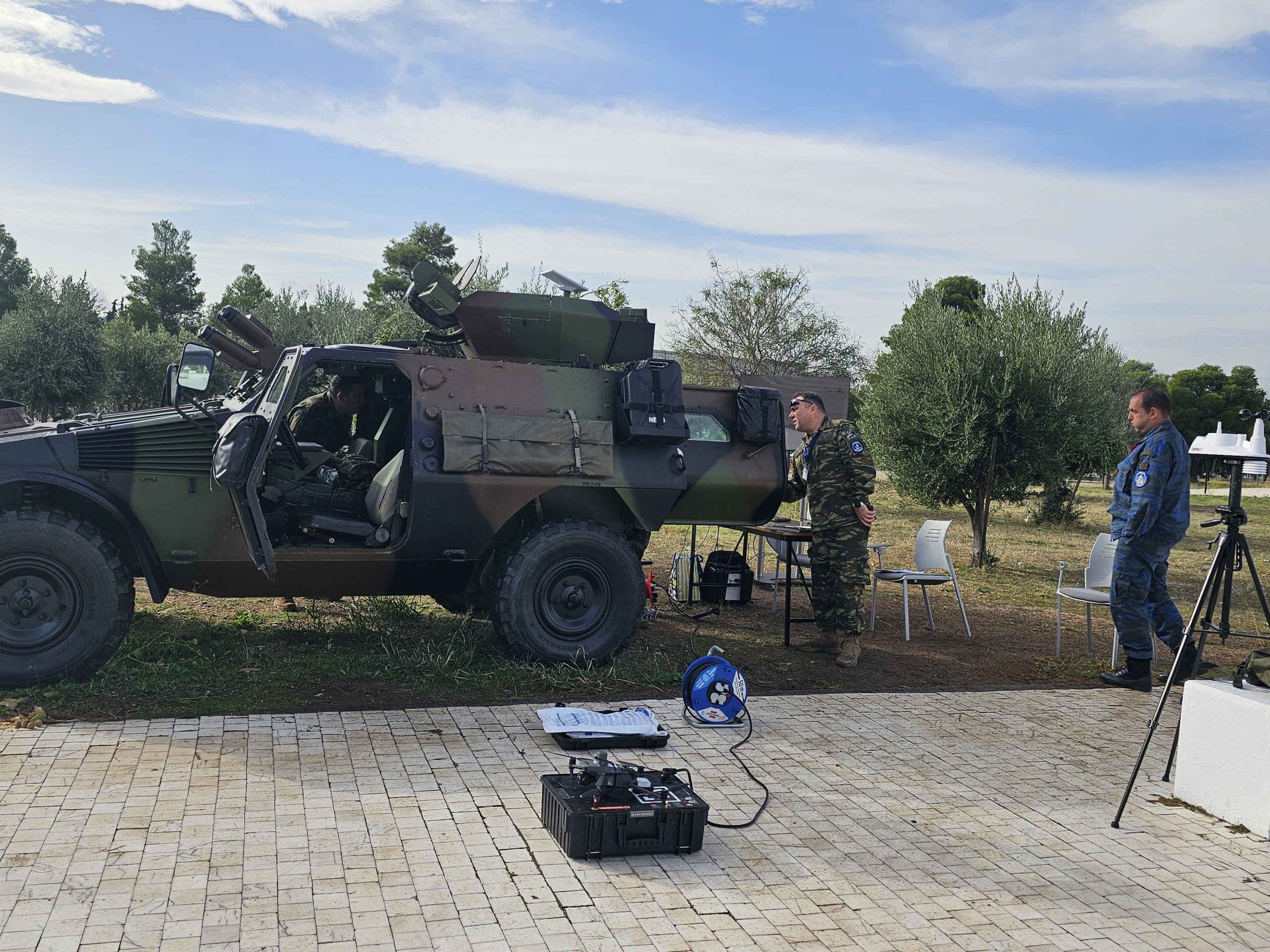
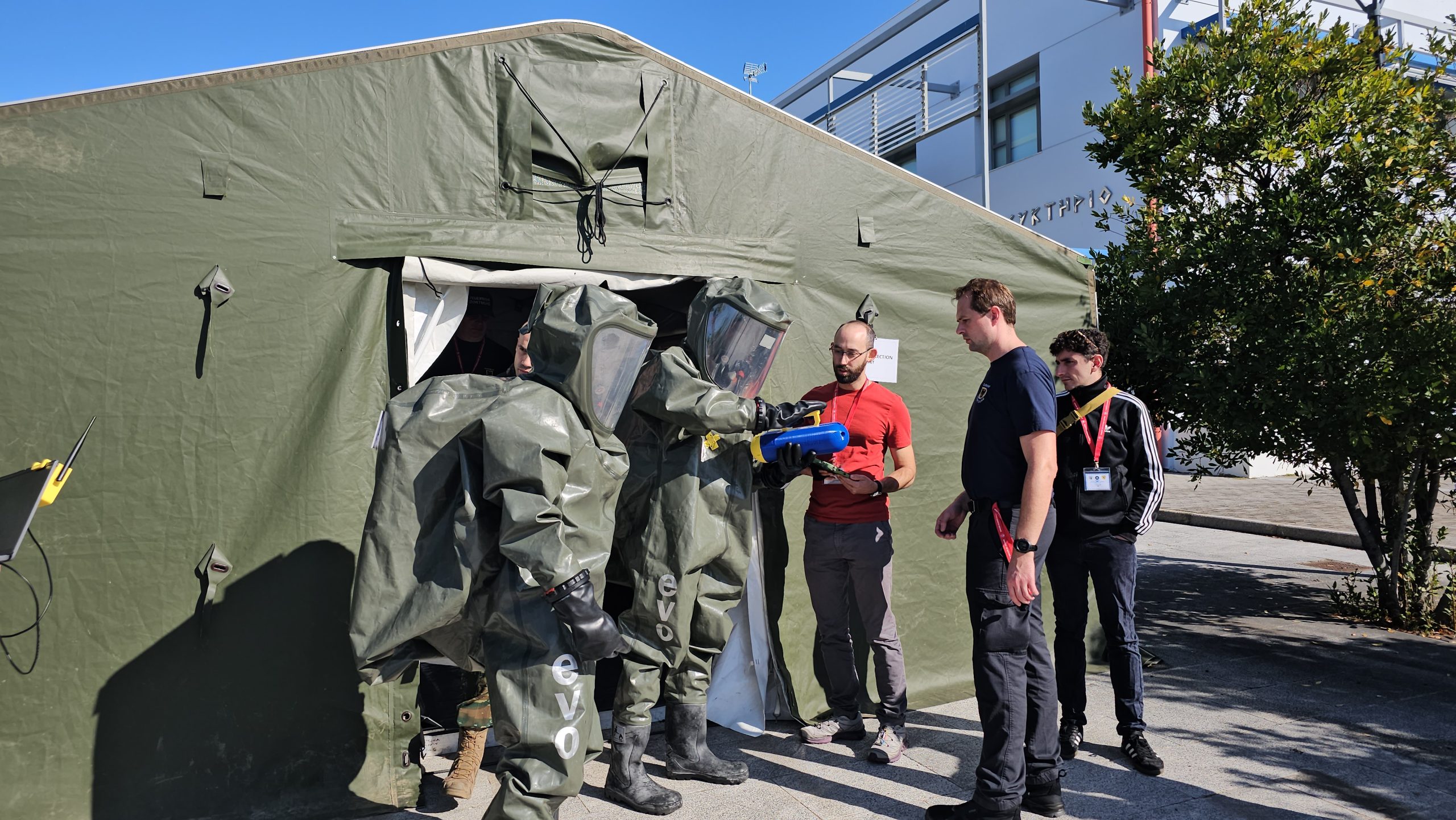
The trial began with briefings, preparation and hands-on training, allowing participants to familiarise themselves with the tools before using them as part of the simulated response. The exercise brought together technologies designed for different stages of response and different users: tools for detecting and identifying hazards, supporting responders in the field, managing information and coordinating operations.
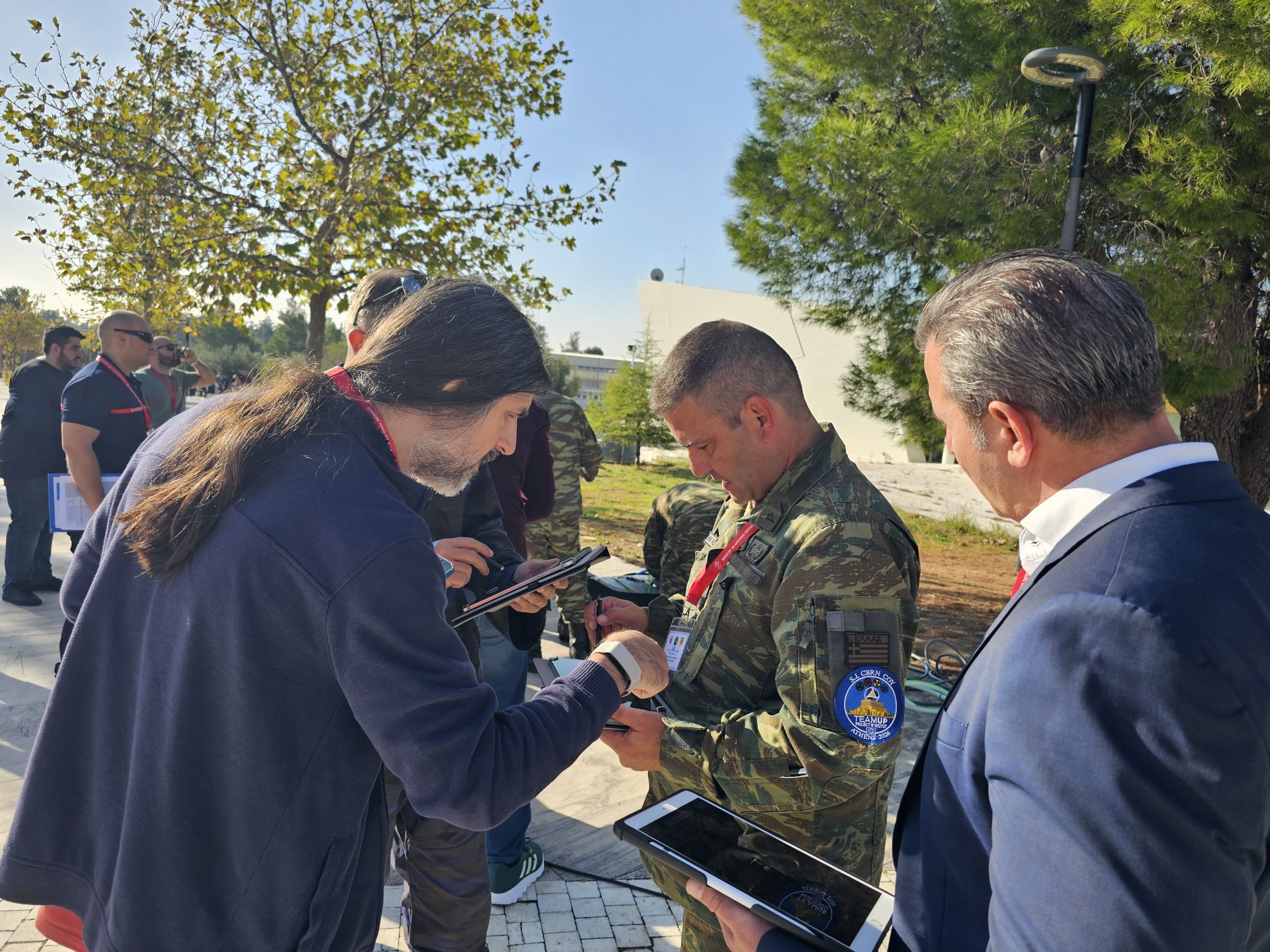
The training gave participants opportunities to explore how the TeamUP tools could be used in practice and how information could be shared between teams in the field and central command structures.
Following the response from the first alert
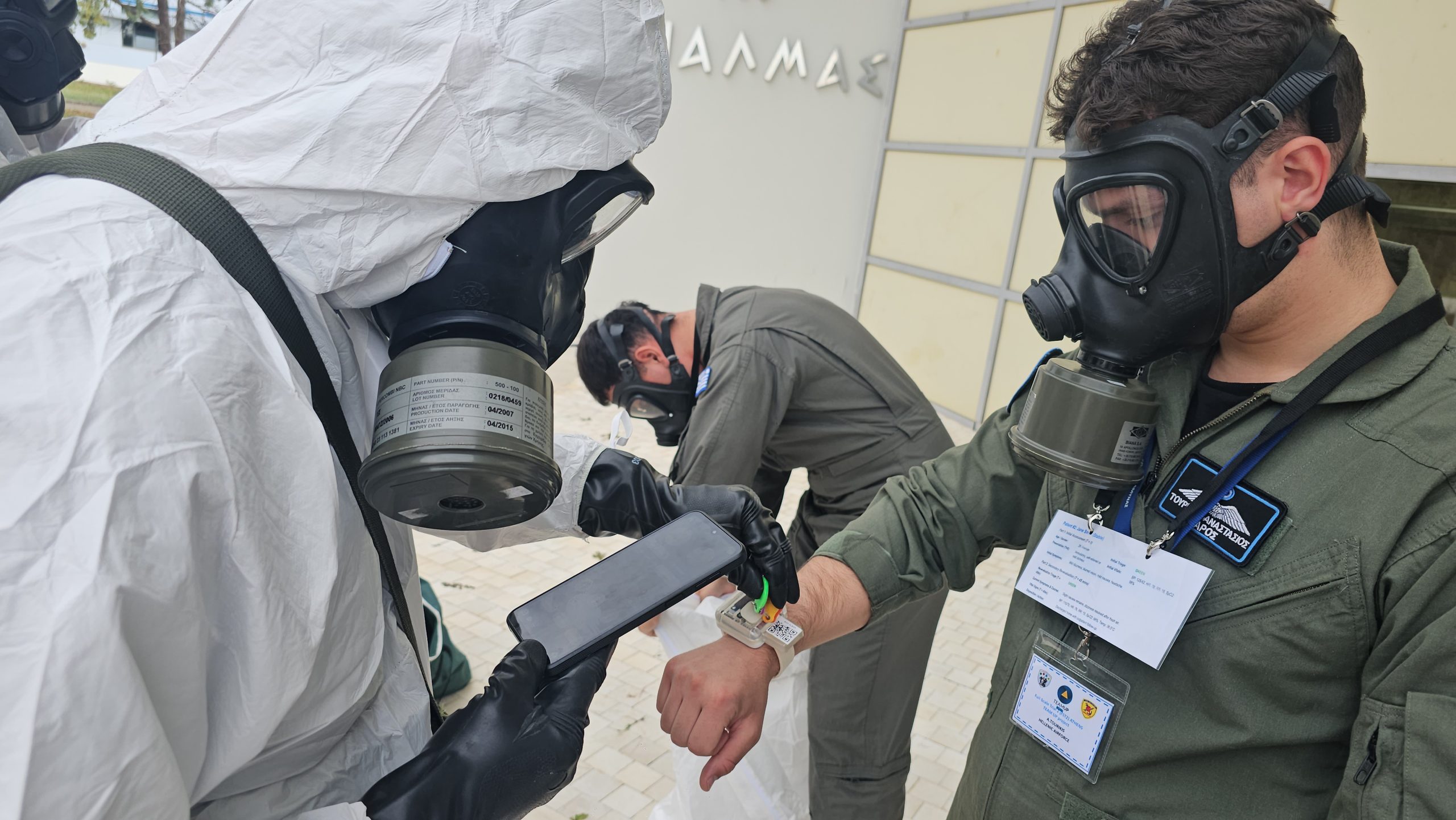
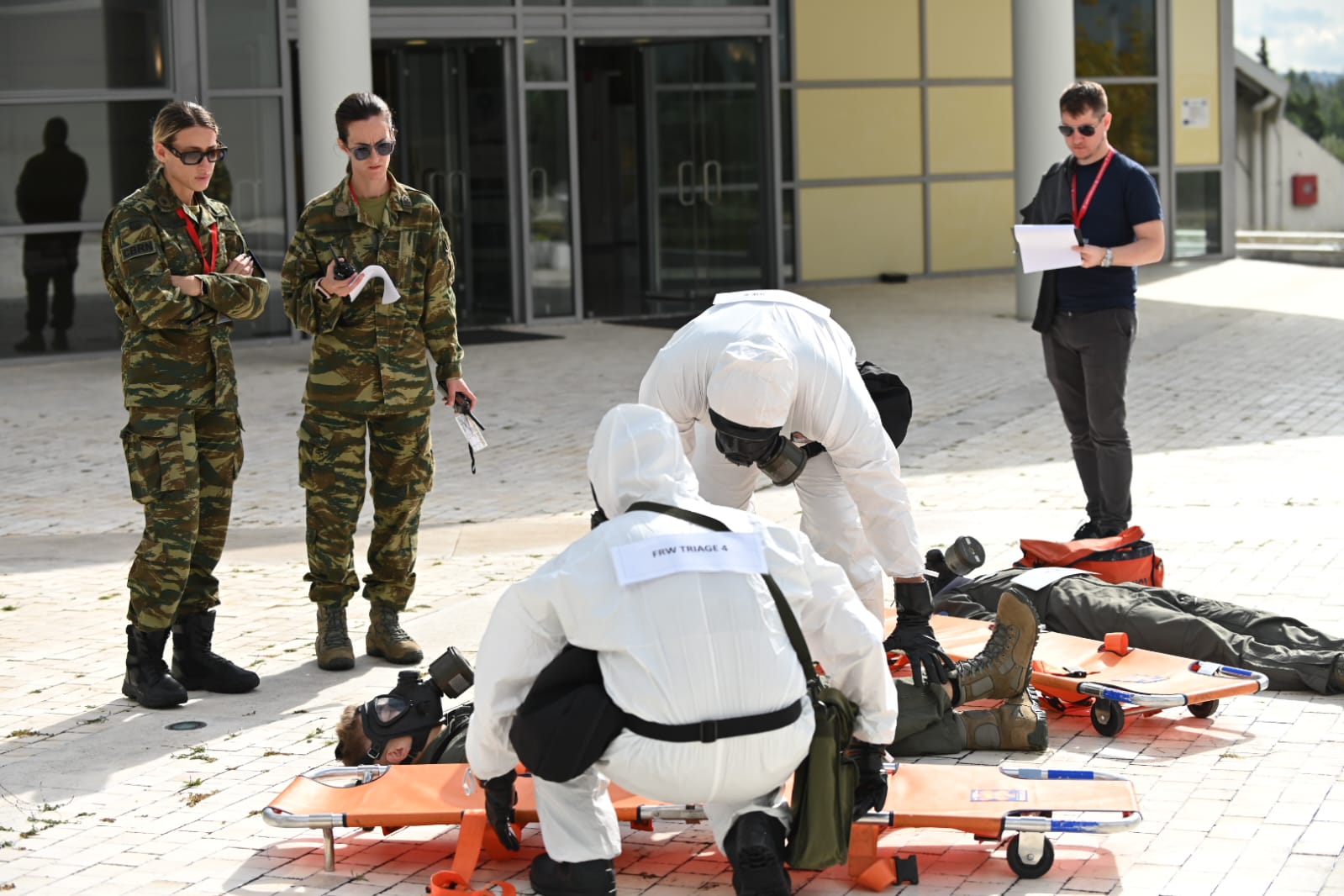
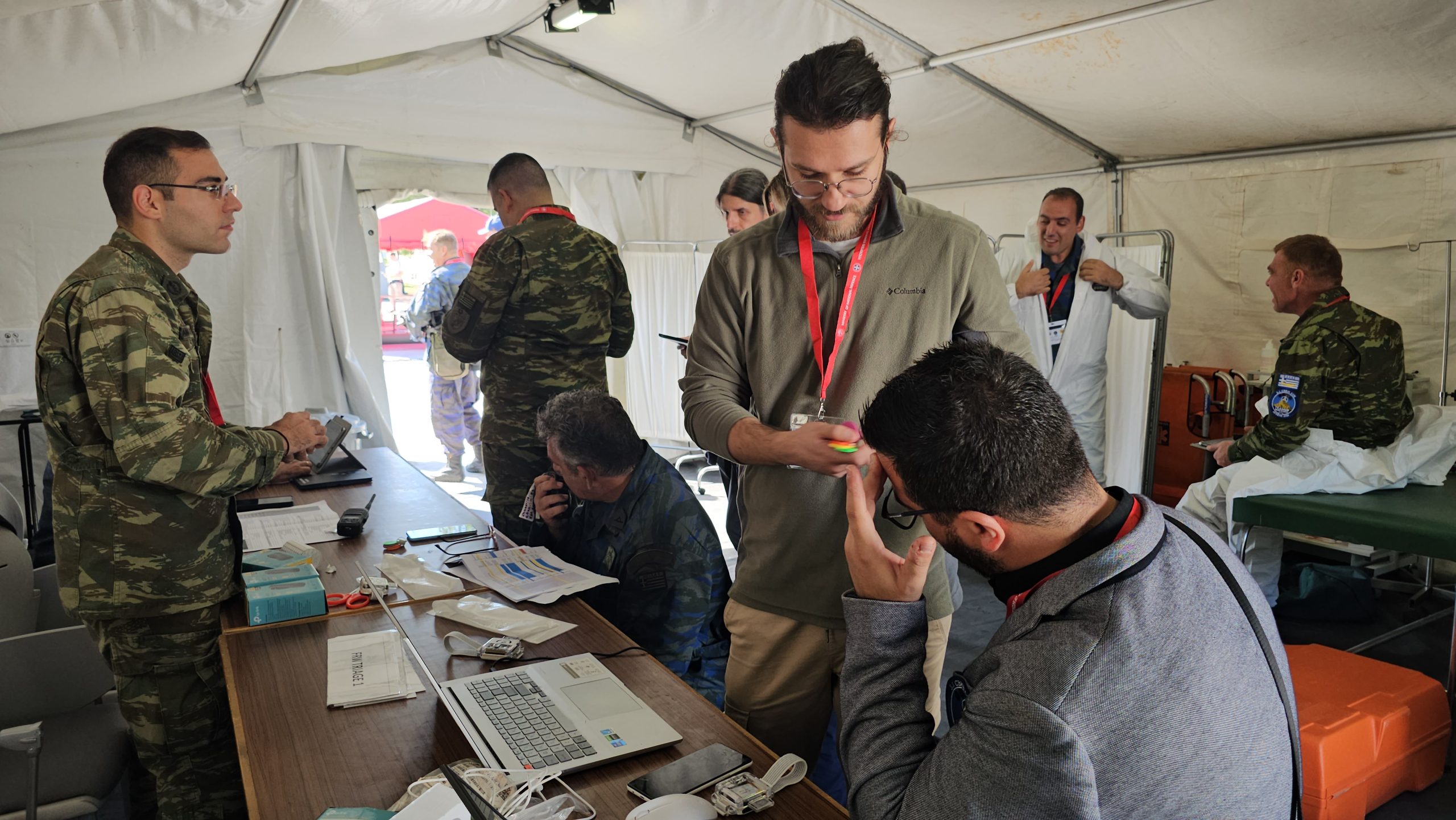
On Wednesday, the scenario moved into its first operational phase. Responders worked through the incident from the initial alert and assessment towards triage, while parallel training continued on tools supporting triage and monitoring of affected people.
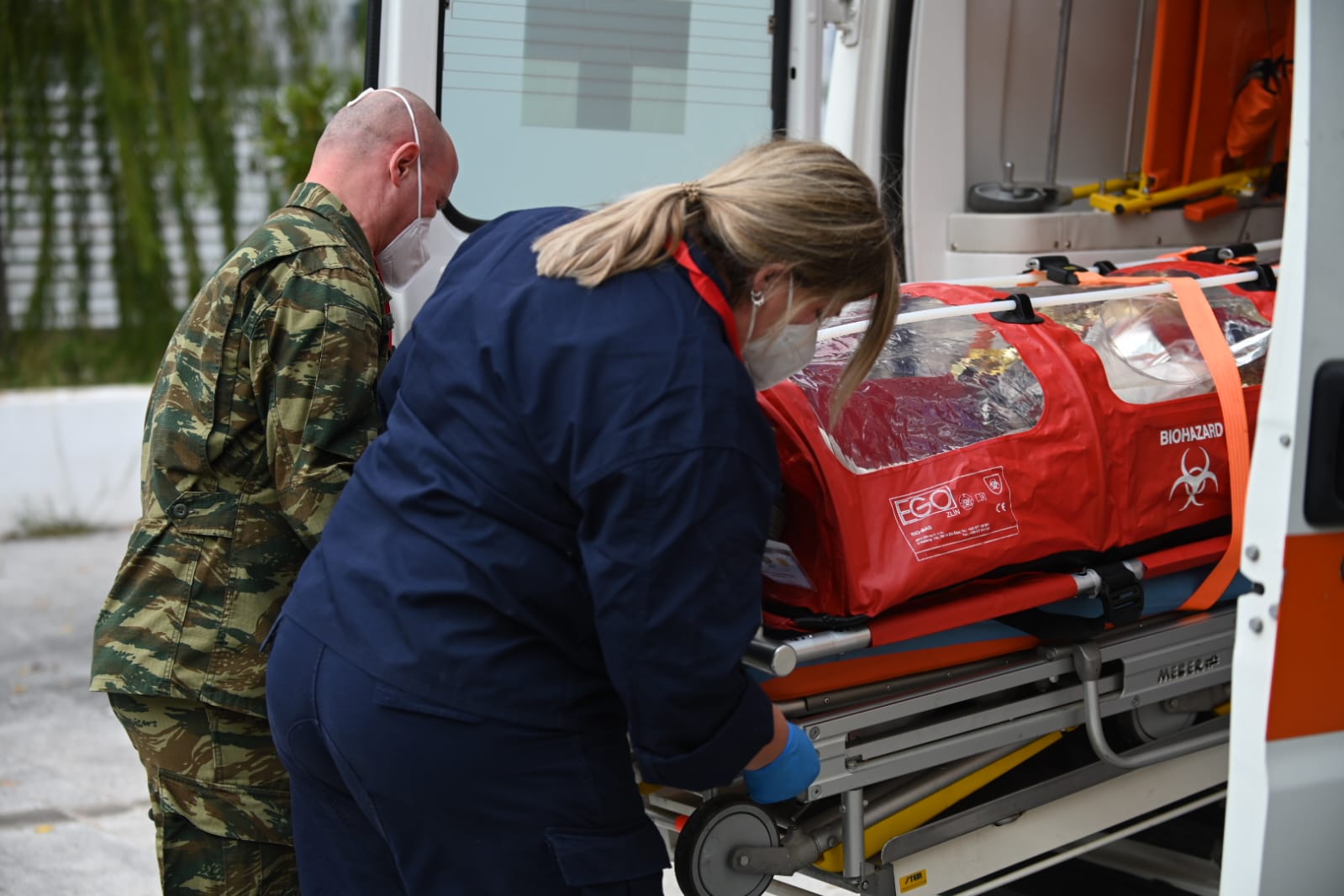
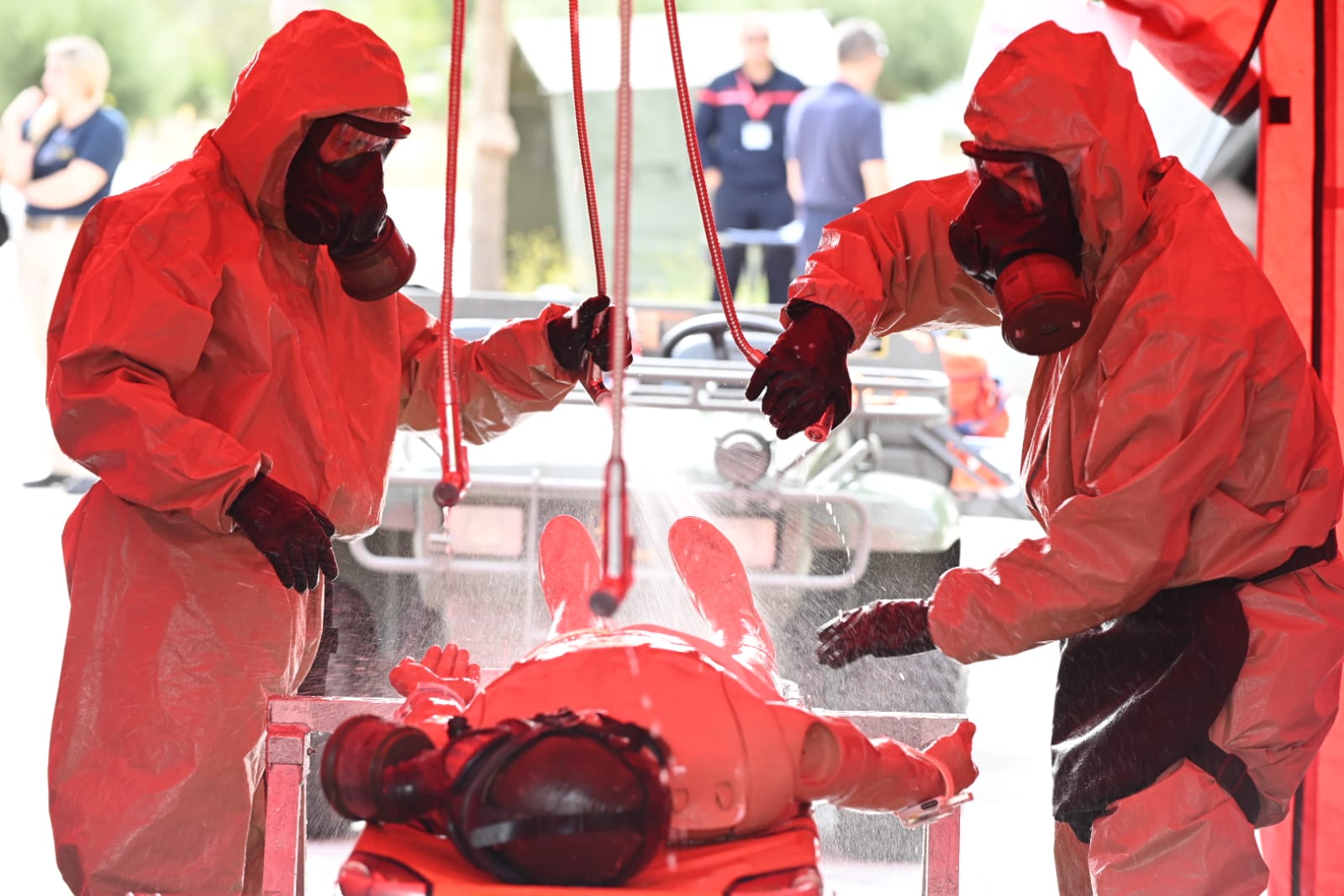
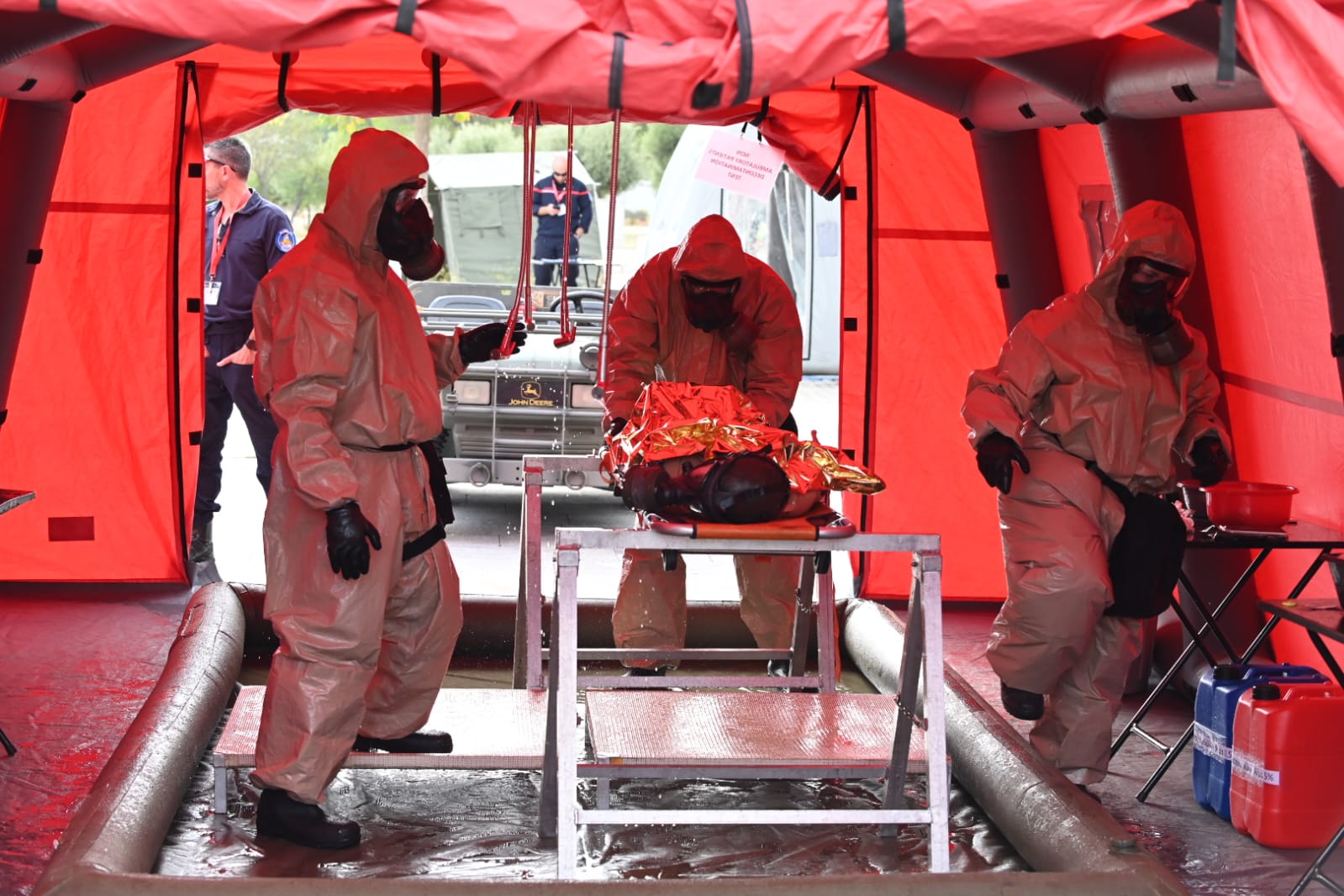
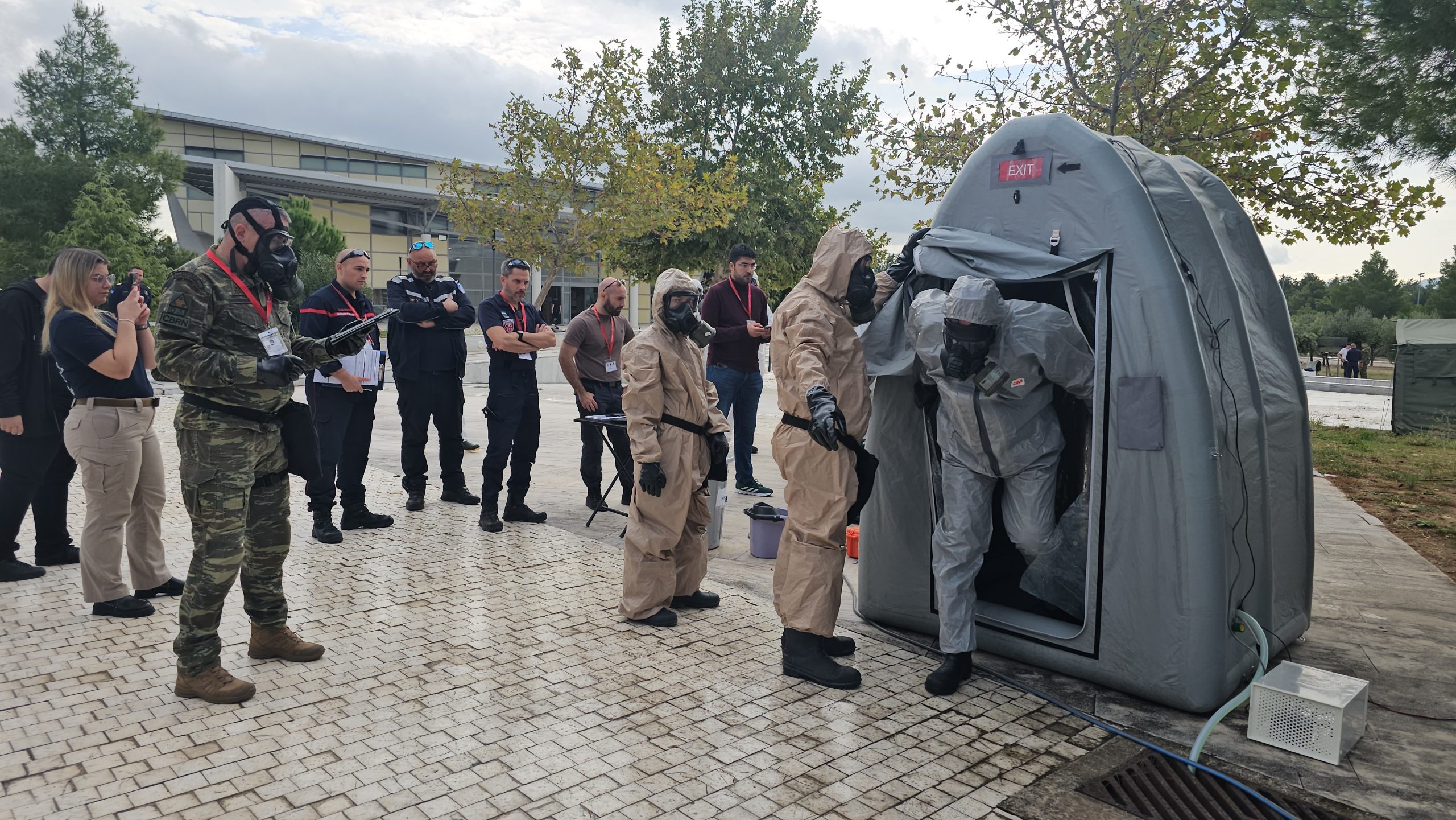
On Thursday, the exercise continued from triage through the later stages of the response. These included casualty care, decontamination, responder safety and evacuation, the use of an advanced medical post, and site clearance and evaluation. Participants had to manage changing demands while sharing information and coordinating across different teams.
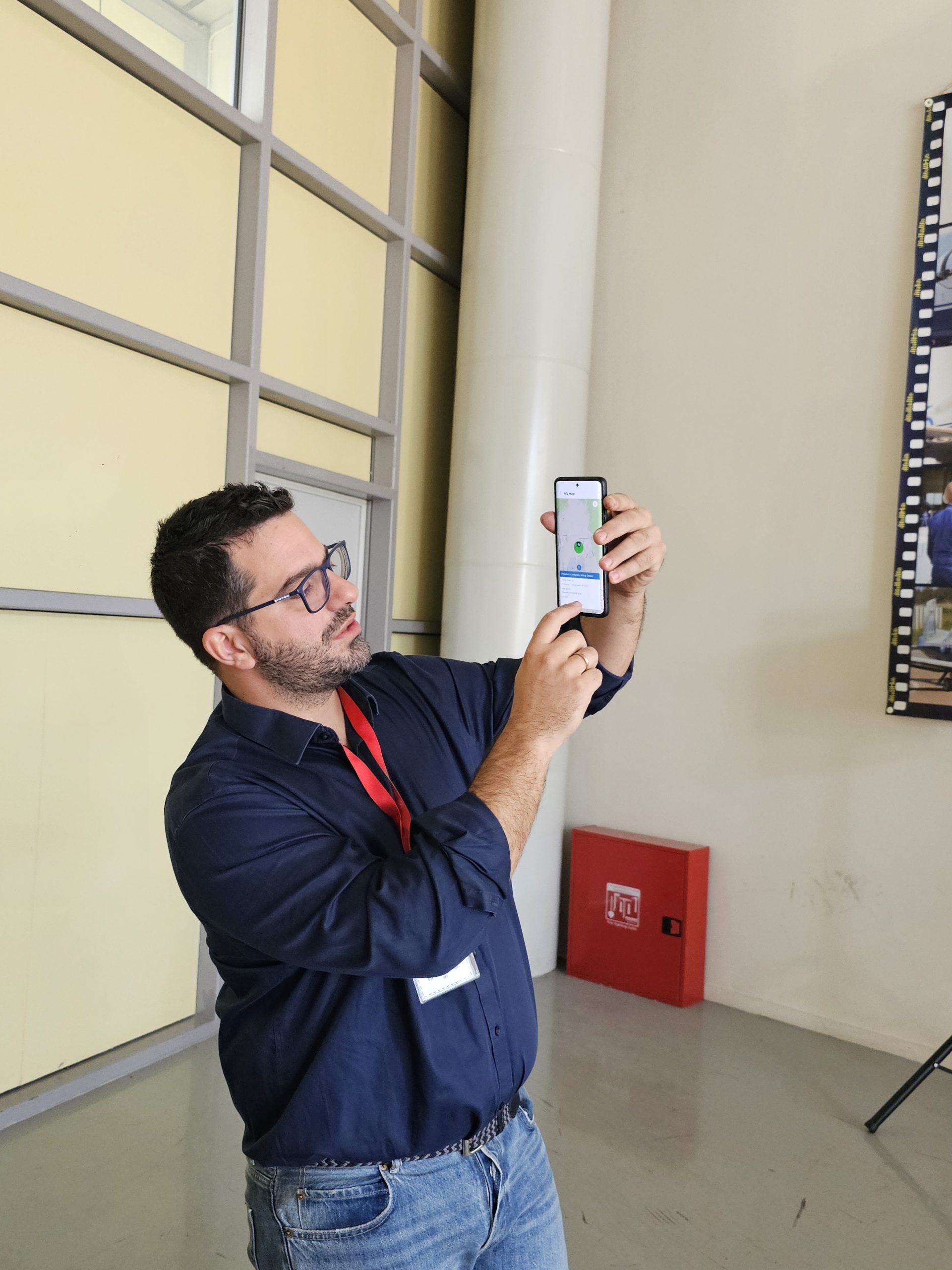
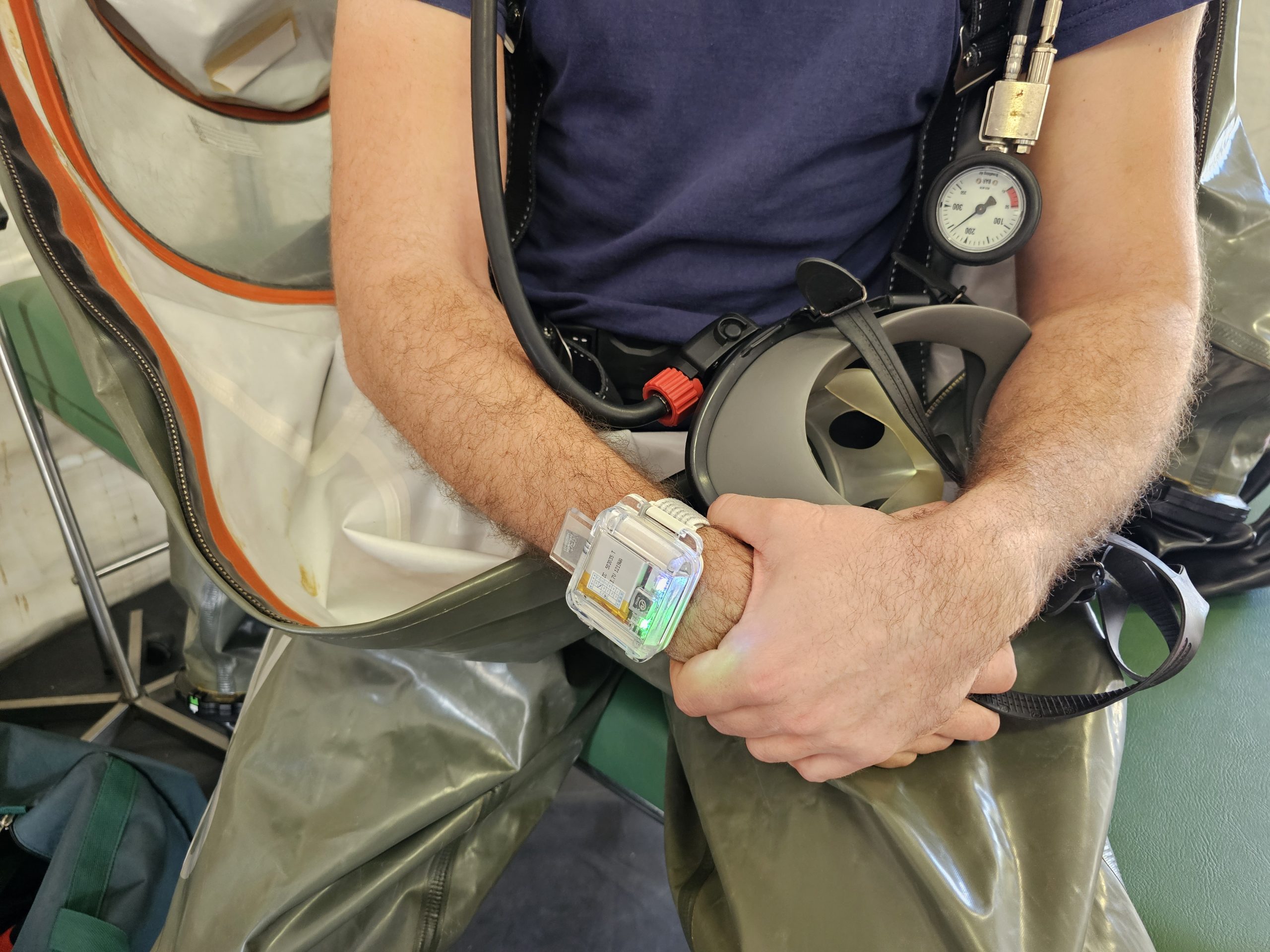
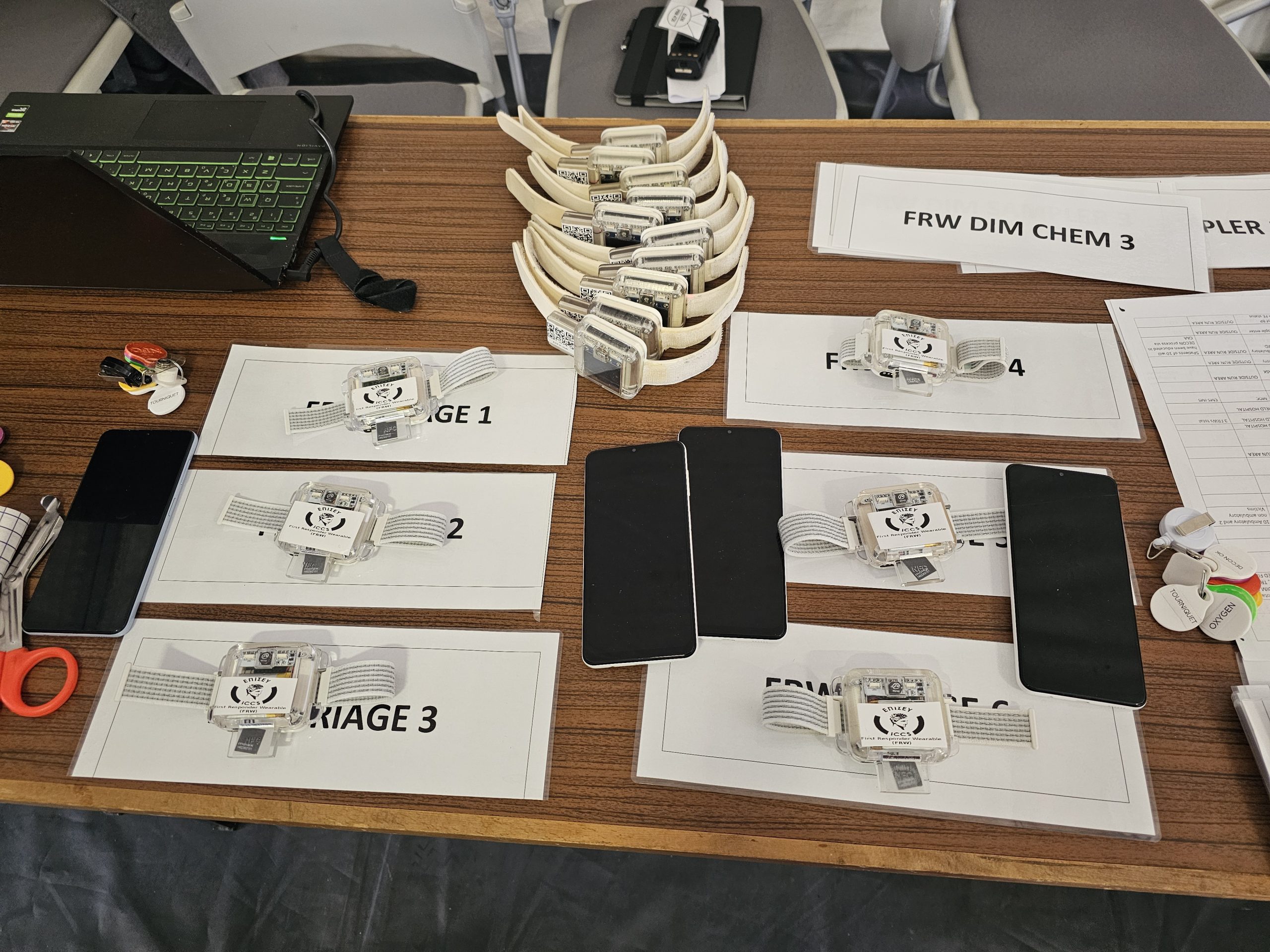
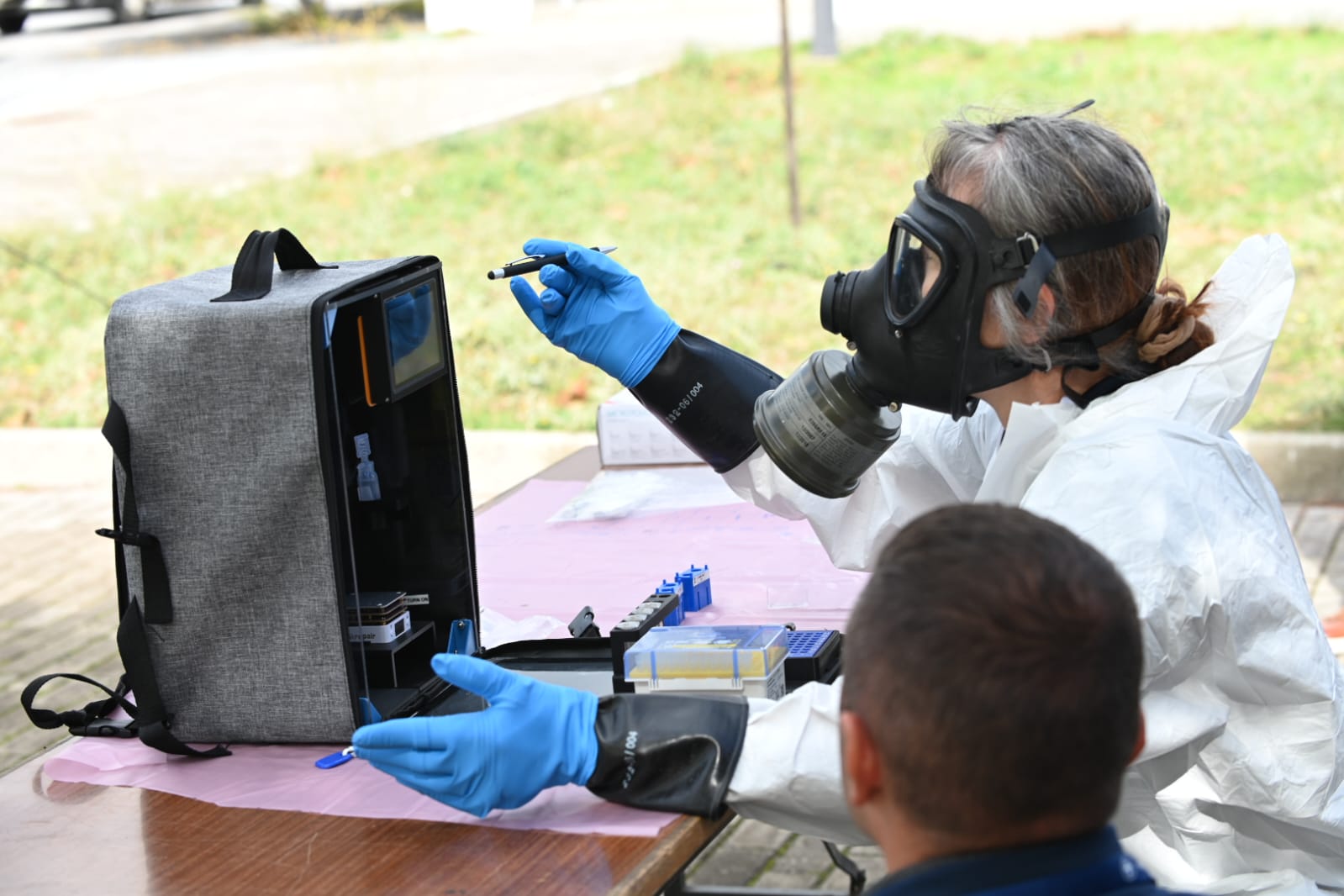
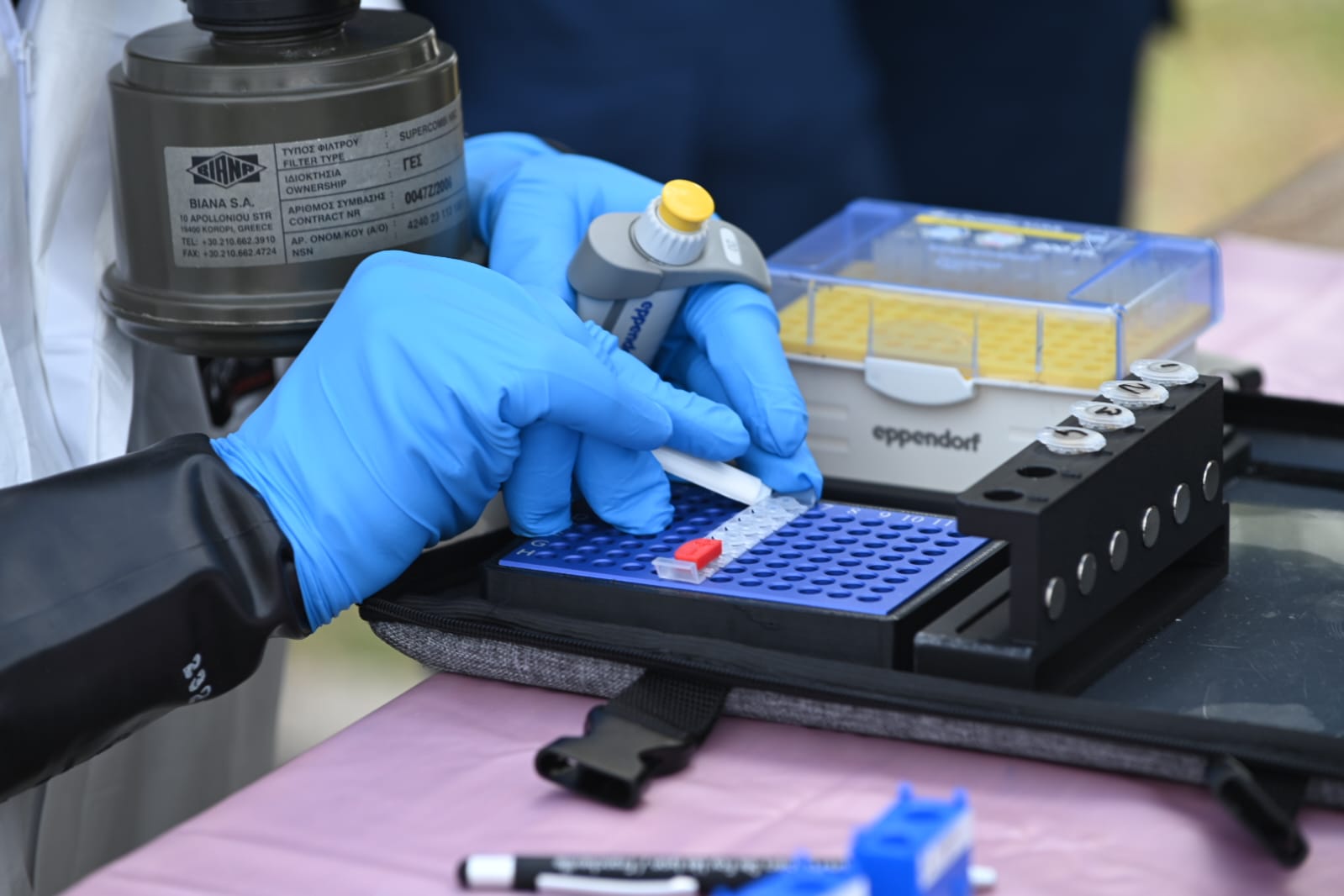
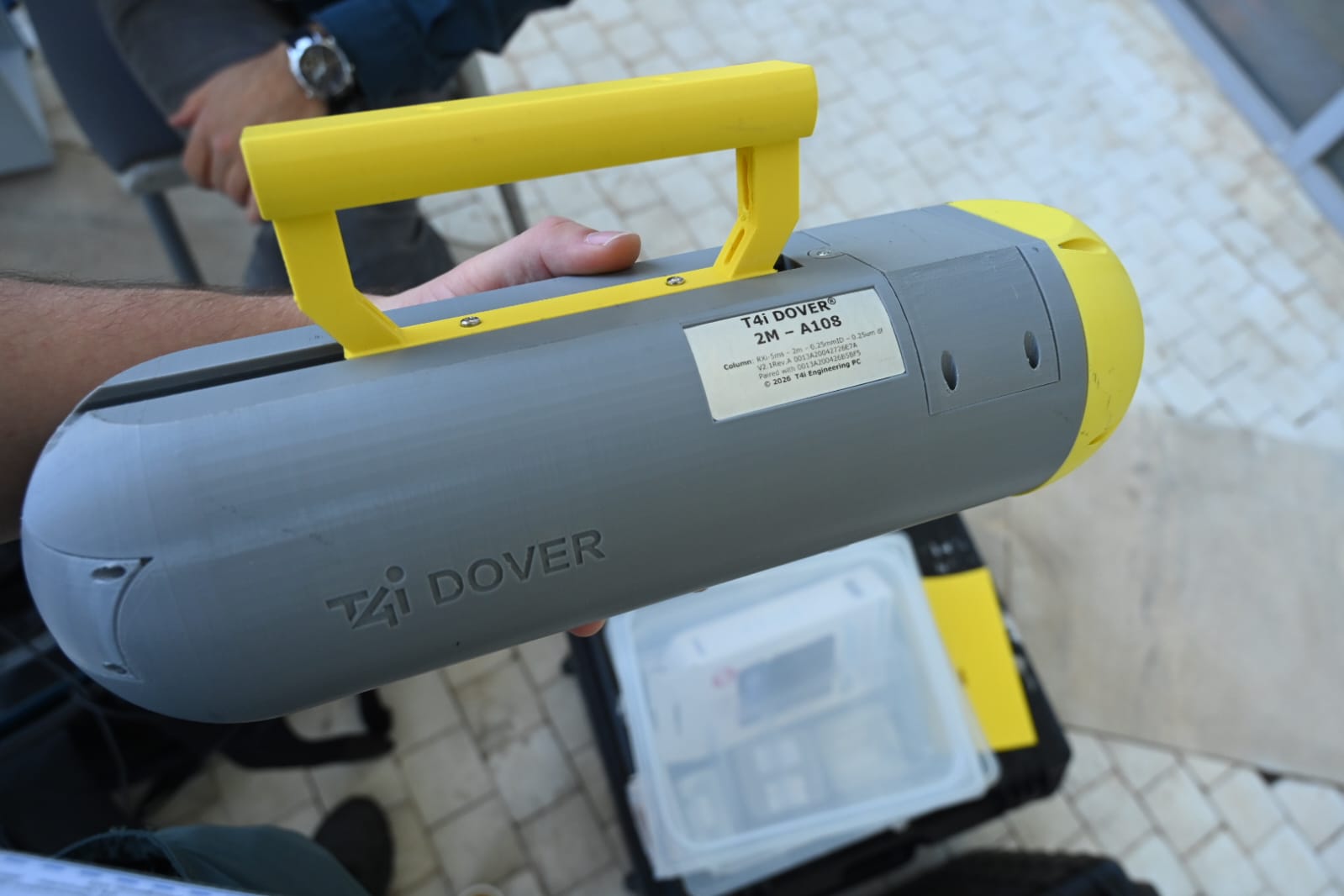
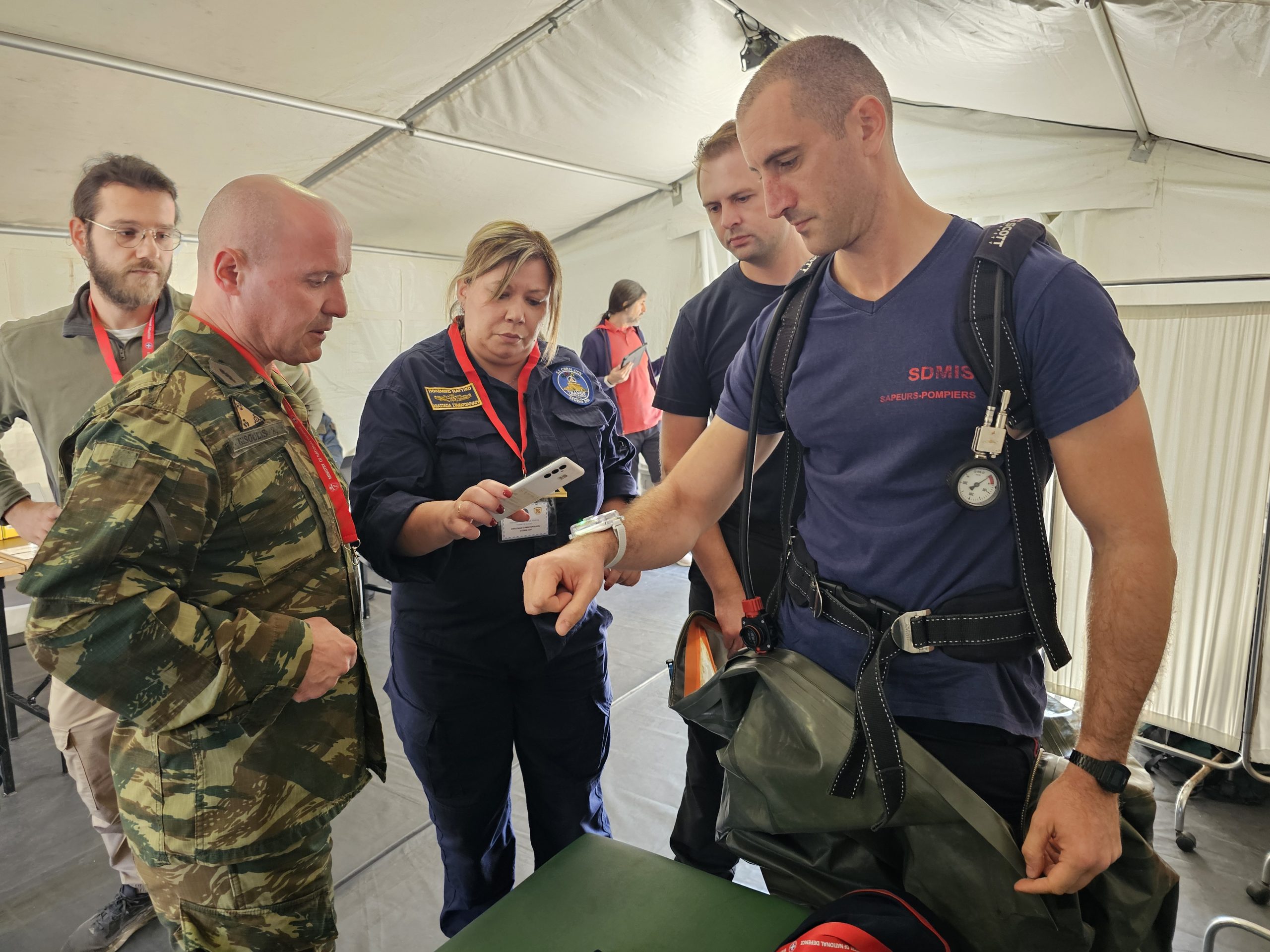
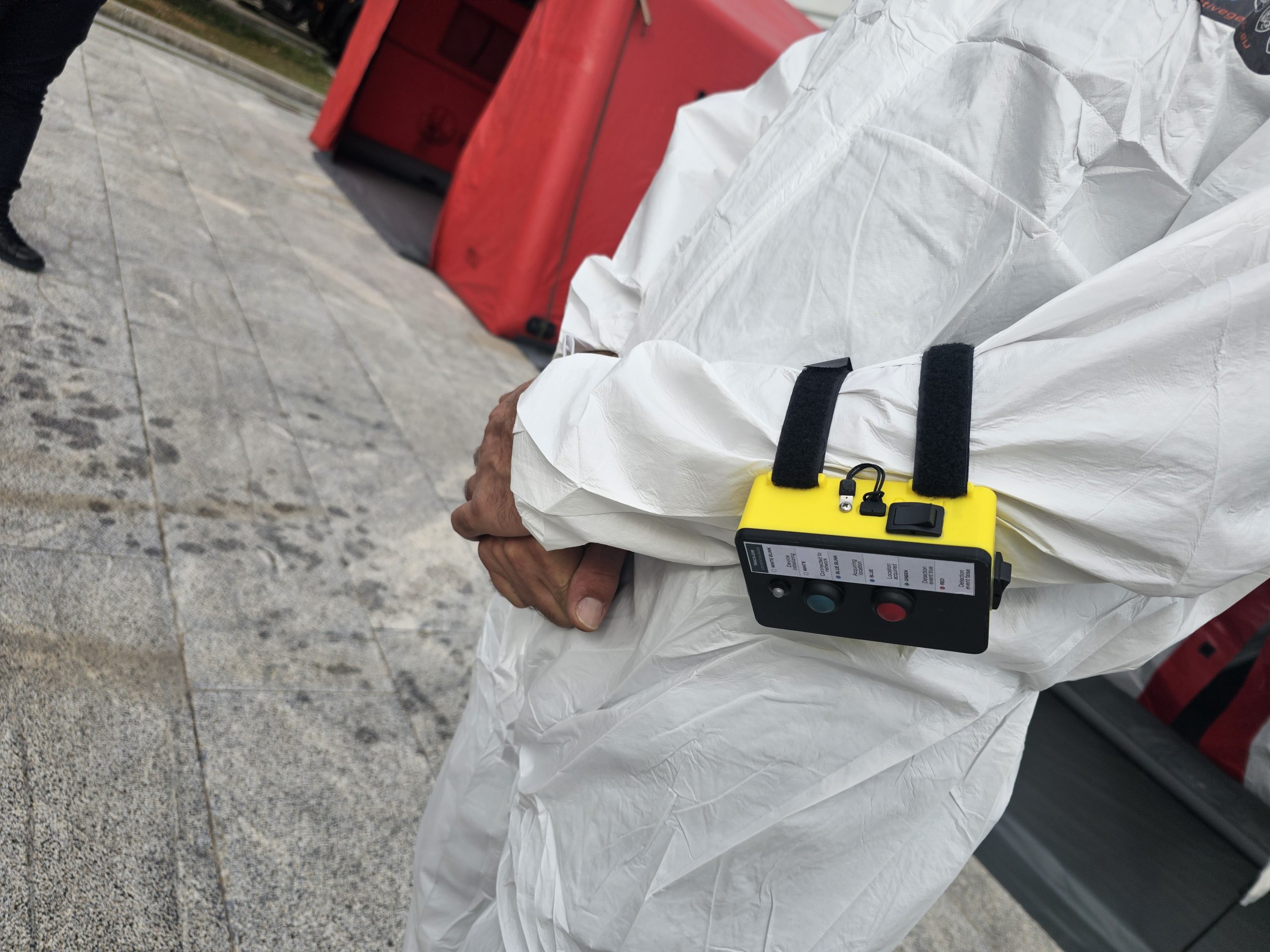
The technologies being deployed and assessed covered several parts of this response. They included portable chemical and biological detection systems and a UAV-based detection platform; wearable monitoring devices, augmented-reality glasses and environmental sensors; digital tools for triage and incident management; and decontamination and health-monitoring solutions. These included a rapidly deployable mass-decontamination system supported by an AI-based body-pose estimation tool, as well as breath samplers for post-exposure screening. The Worksite Operations App was also part of the connected toolkit, linking information from the field with central command structures.
Together, these solutions were assessed in the context of a simulated incident that required different capabilities and teams to work in coordination.
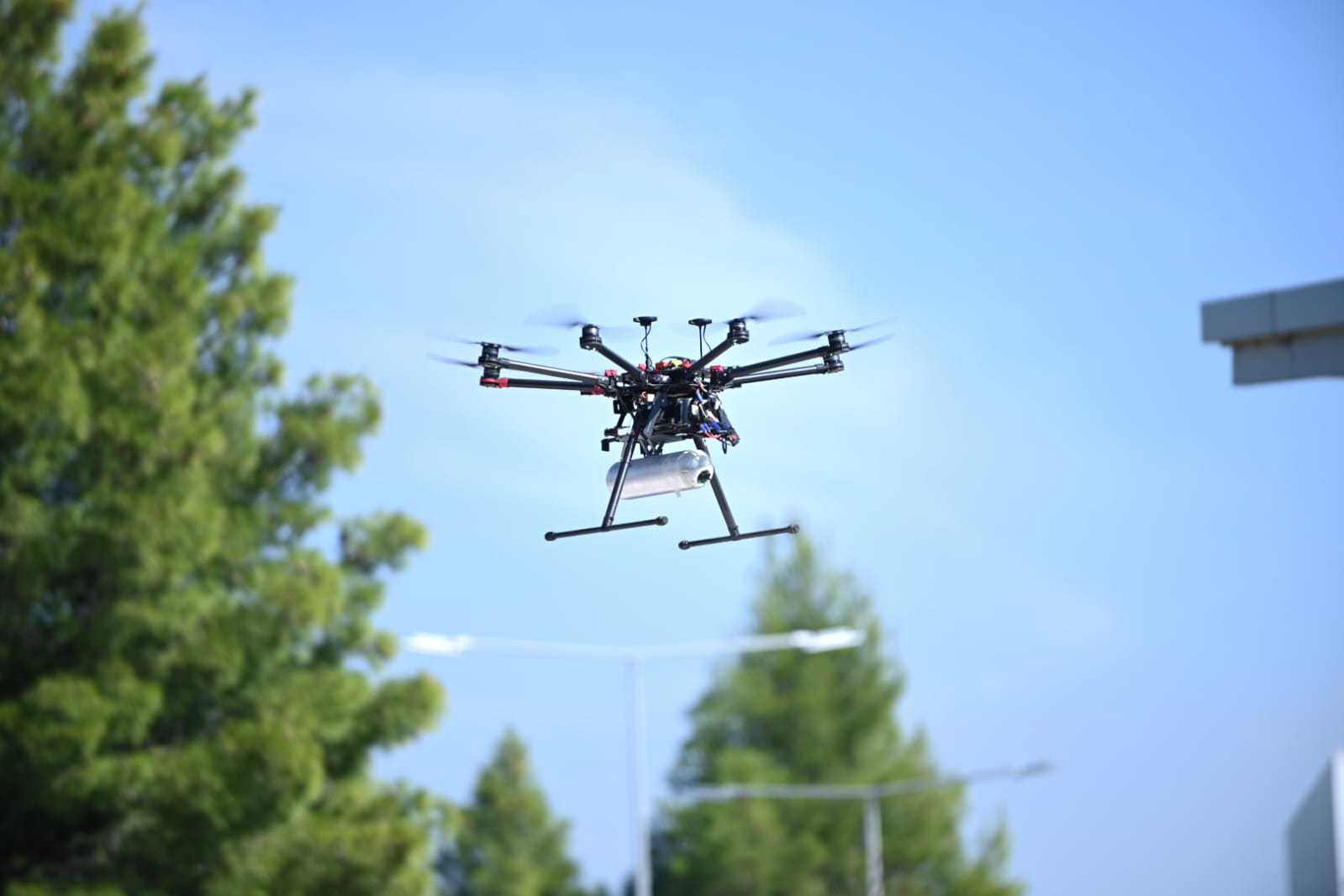
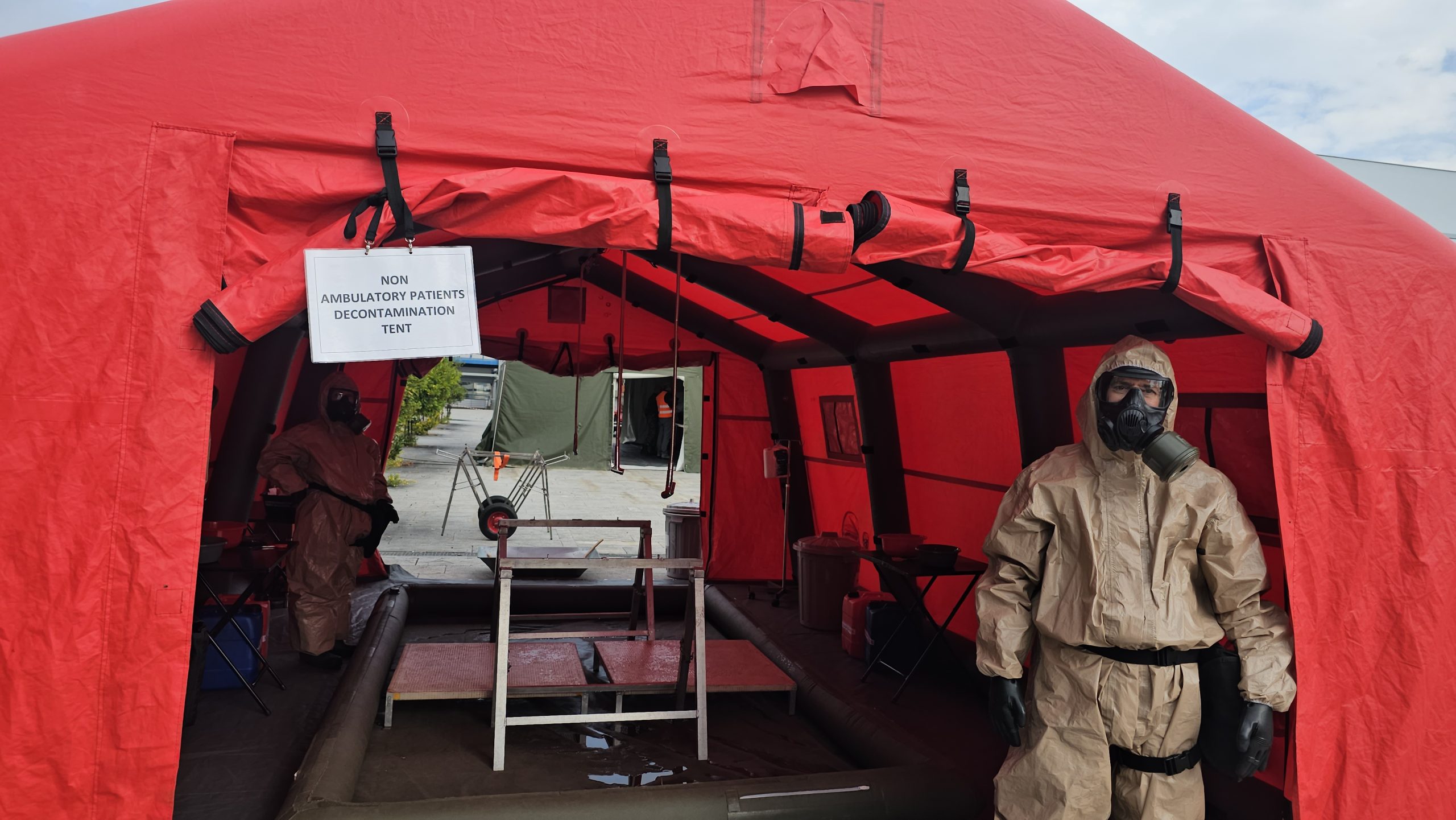
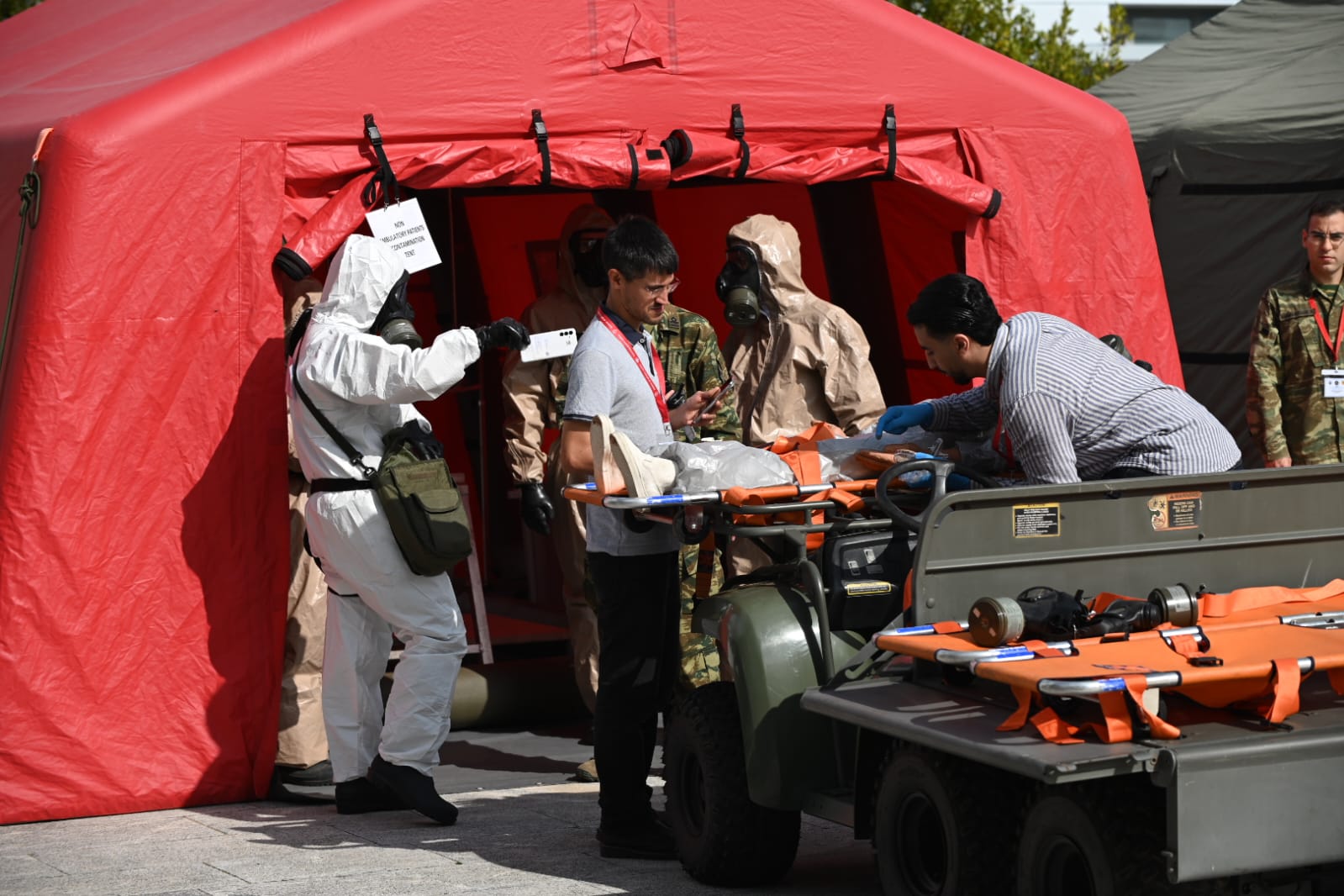
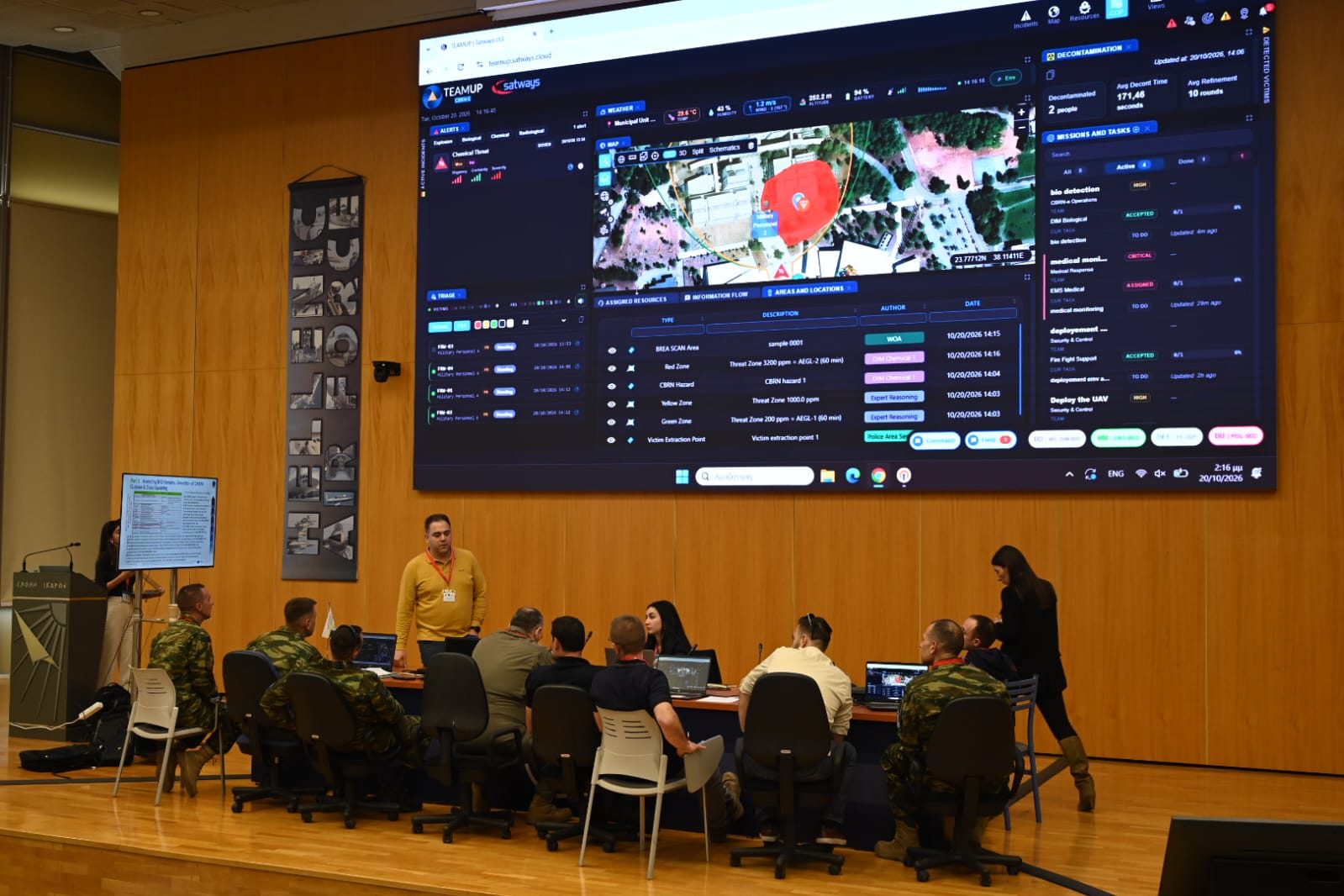
A particular focus on non-specialist responders
A central question throughout FST2 was how the tools could support first responders who do not necessarily have specialist CBRN-E expertise, such as police, firefighters, or medical teams, who often arrive first. In a real emergency, these responders need to understand what they are facing, protect themselves and others, and make timely decisions while specialist support may still be on its way.
The exercise allowed participants to examine how accessible information, monitoring and improved coordination could help in those circumstances. It also gave the project team an opportunity to observe how the tools worked under realistic operational pressures.
Friday focused on debriefing and evaluation. Participants reflected on the exercise itself, the performance and usability of the tools, and the training that prepared them to use the toolkit. Their feedback will contribute to the final assessment of TeamUP’s prototype solutions and the lessons learned from the trial.
TeamUP’s final event in Munich
The project’s final event will take place during the European Commission’s CERIS Disaster Resilience Days in Munich, held from 24 to 26 November 2026. A TeamUP demonstration is scheduled for Tuesday 24 November, from 11:30 to 12:15, at the Bavarian Palace.
The event will provide an opportunity to explain TeamUP’s approach, present its technologies and share lessons from the trials with researchers, policymakers, public authorities, first responders and other stakeholders. Online sessions will also let interested audiences learn about the project and its work remotely; details will be shared separately.
FST2 marks the completion of TeamUP’s final full-scale trial. The Munich event will carry the conversation forward, sharing the project’s experience with the wider disaster-resilience community.
Join us in Munich to discover TeamUP’s work. Register for the CERIS Disaster Resilience Days here: https://eu.eventscloud.com/website/20875/
Can’t join us in person? We’ll share details of the online sessions soon, including more about TeamUP results.