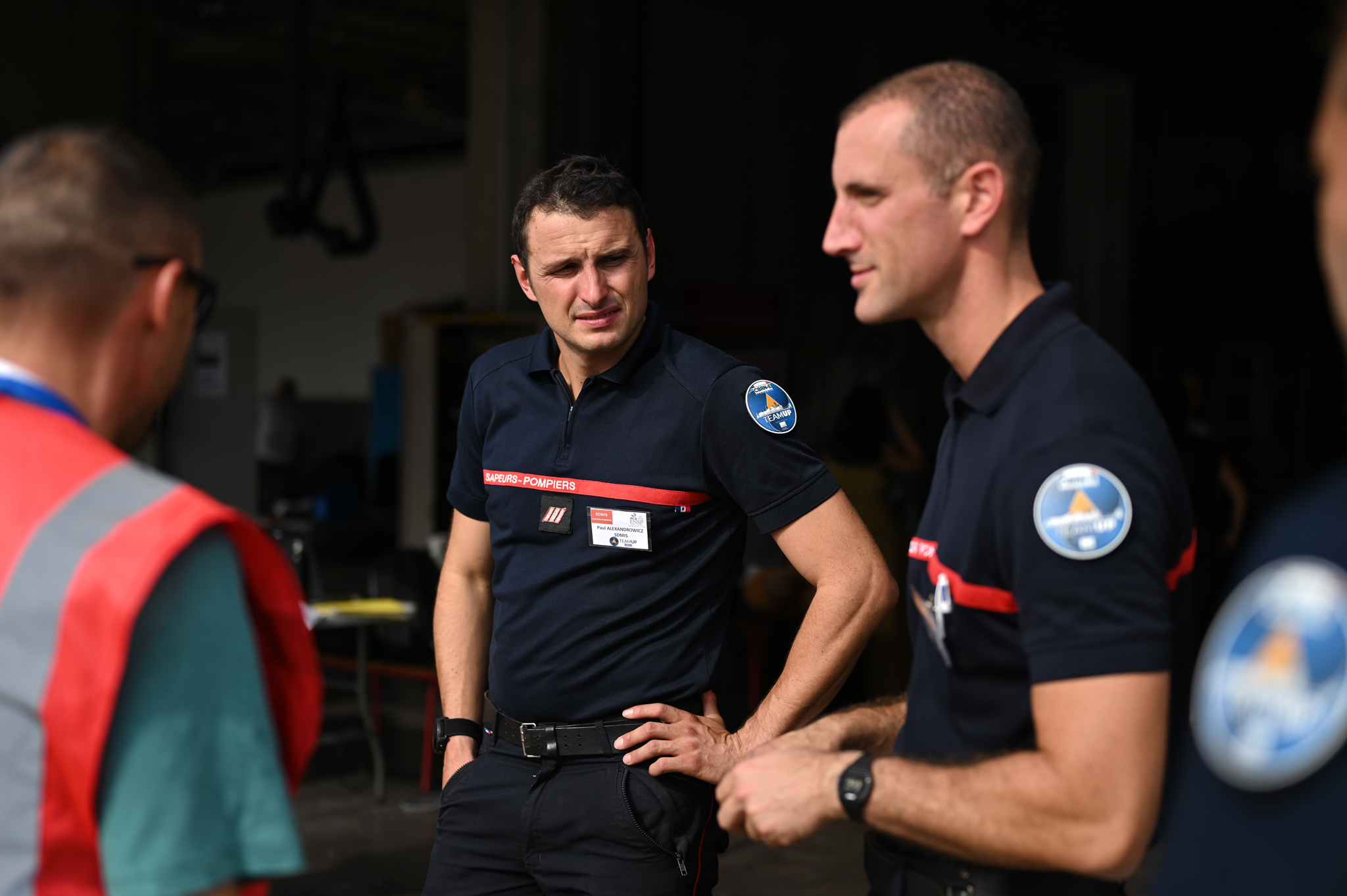
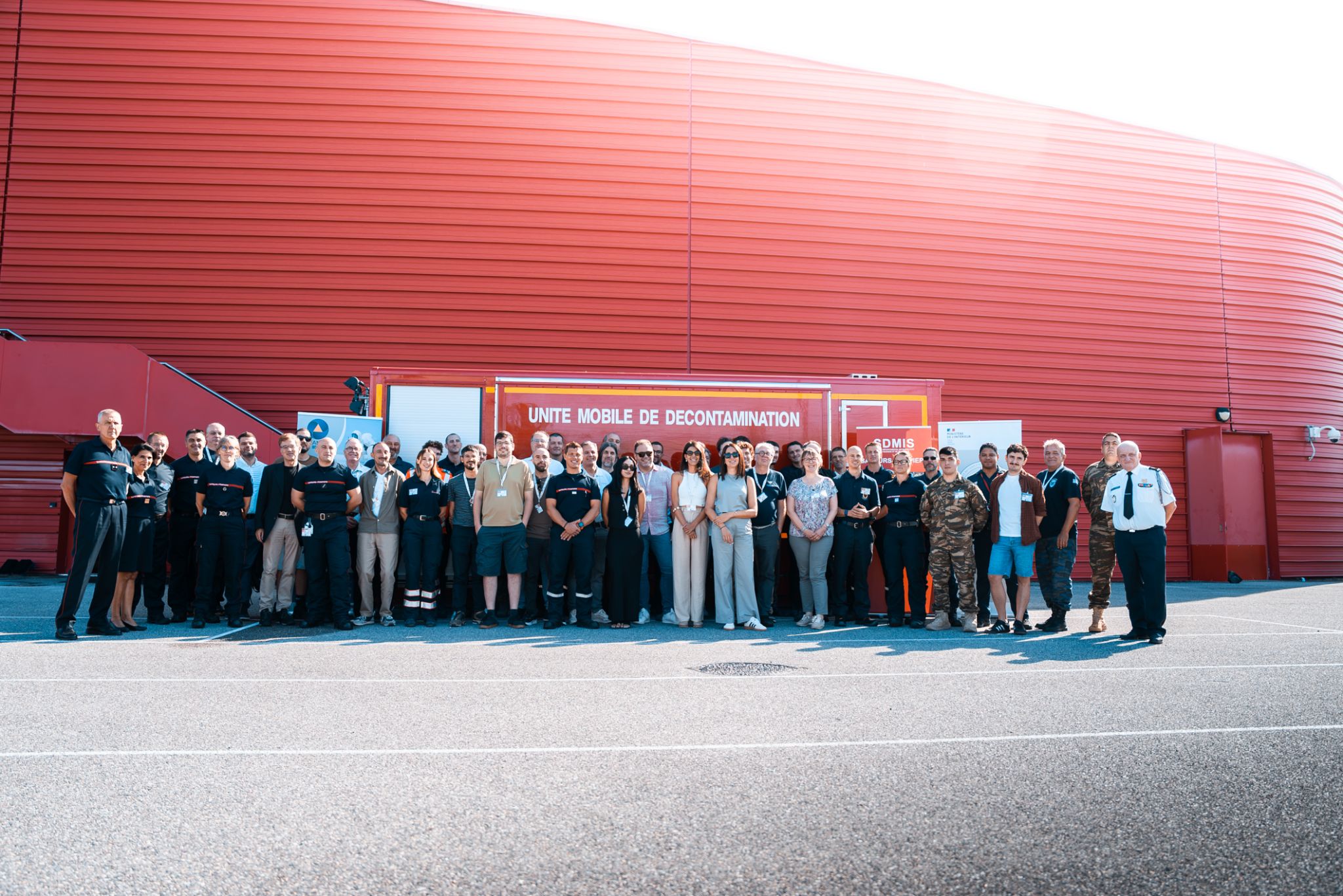
From 24 to 28 August 2026, the TeamUP consortium came together in Saint-Priest, Lyon, for the project’s first Full-Scale Trial (FST1). Hosted by the Rhône Fire and Rescue Service (SDMIS) with the support of the École Nationale Supérieure de la Police (ENSP), the trial marked a major step in TeamUP’s journey from technology development and controlled testing towards integrated testing in near-operational conditions.
Over the past two years, TeamUP technologies have progressed through laboratory tests, usability tests, a small-scale trial and integration activities. In Lyon, many of these tools were brought together and placed directly in the hands of first responders and CBRN-E practitioners.
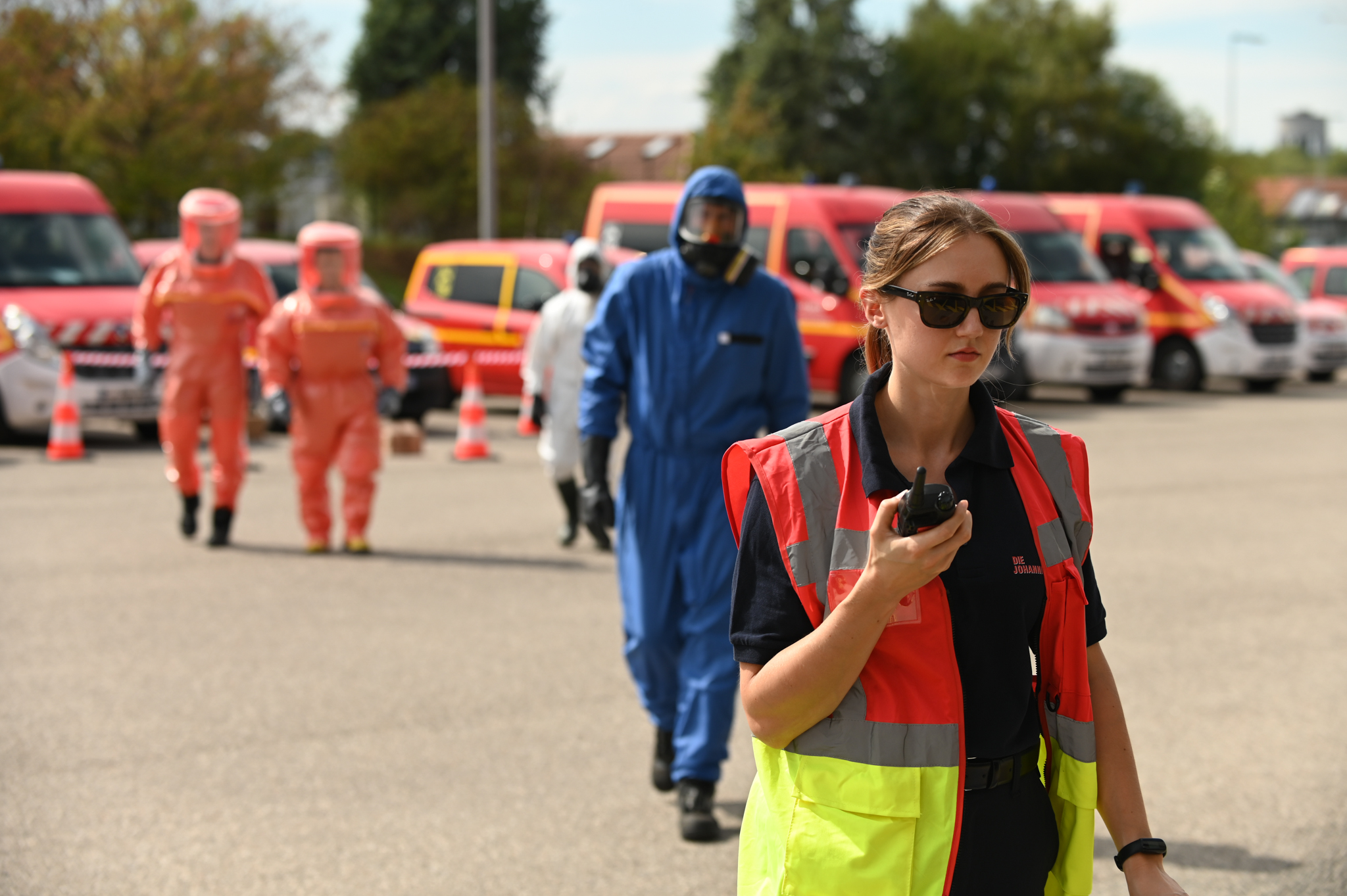
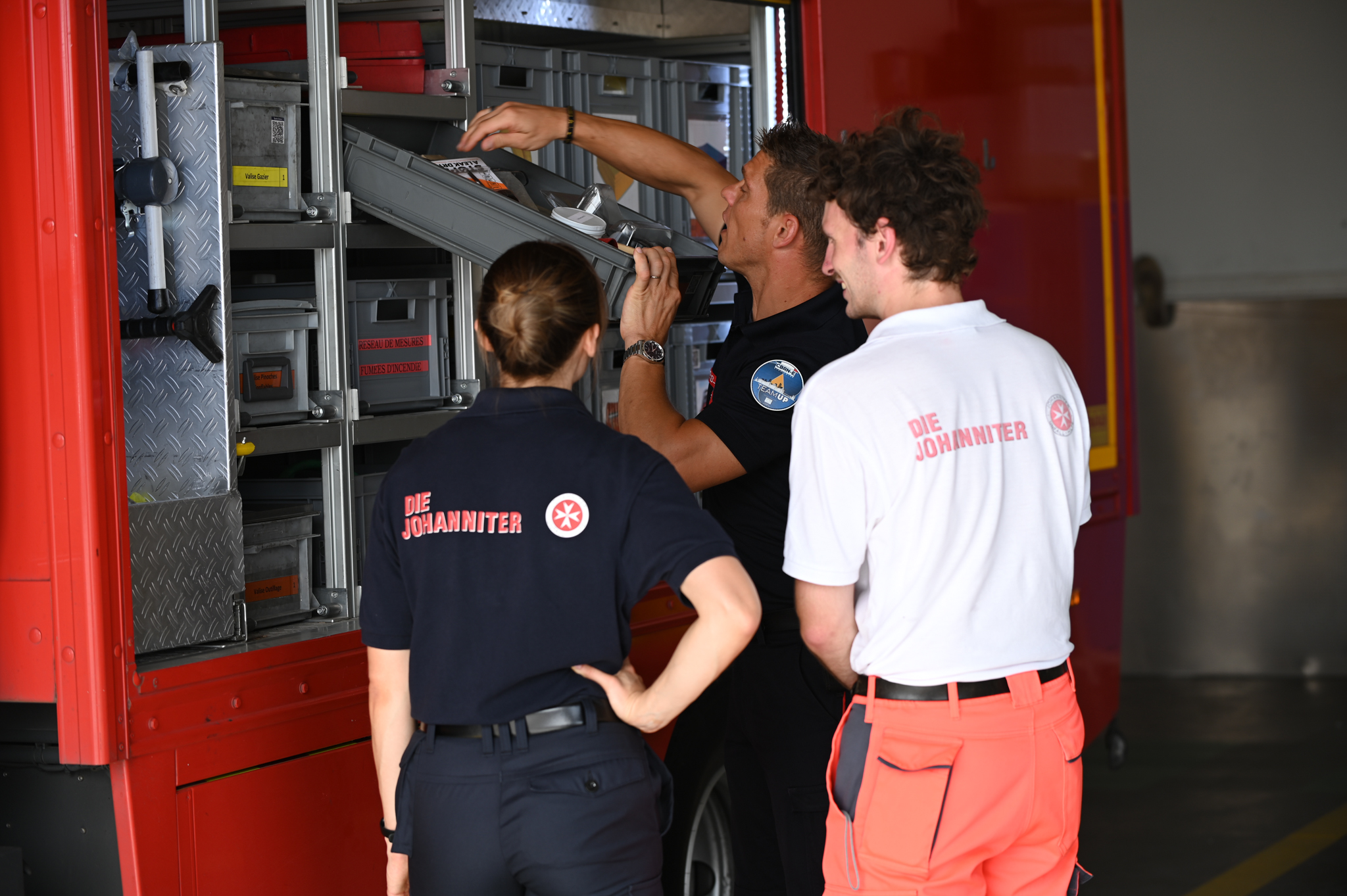
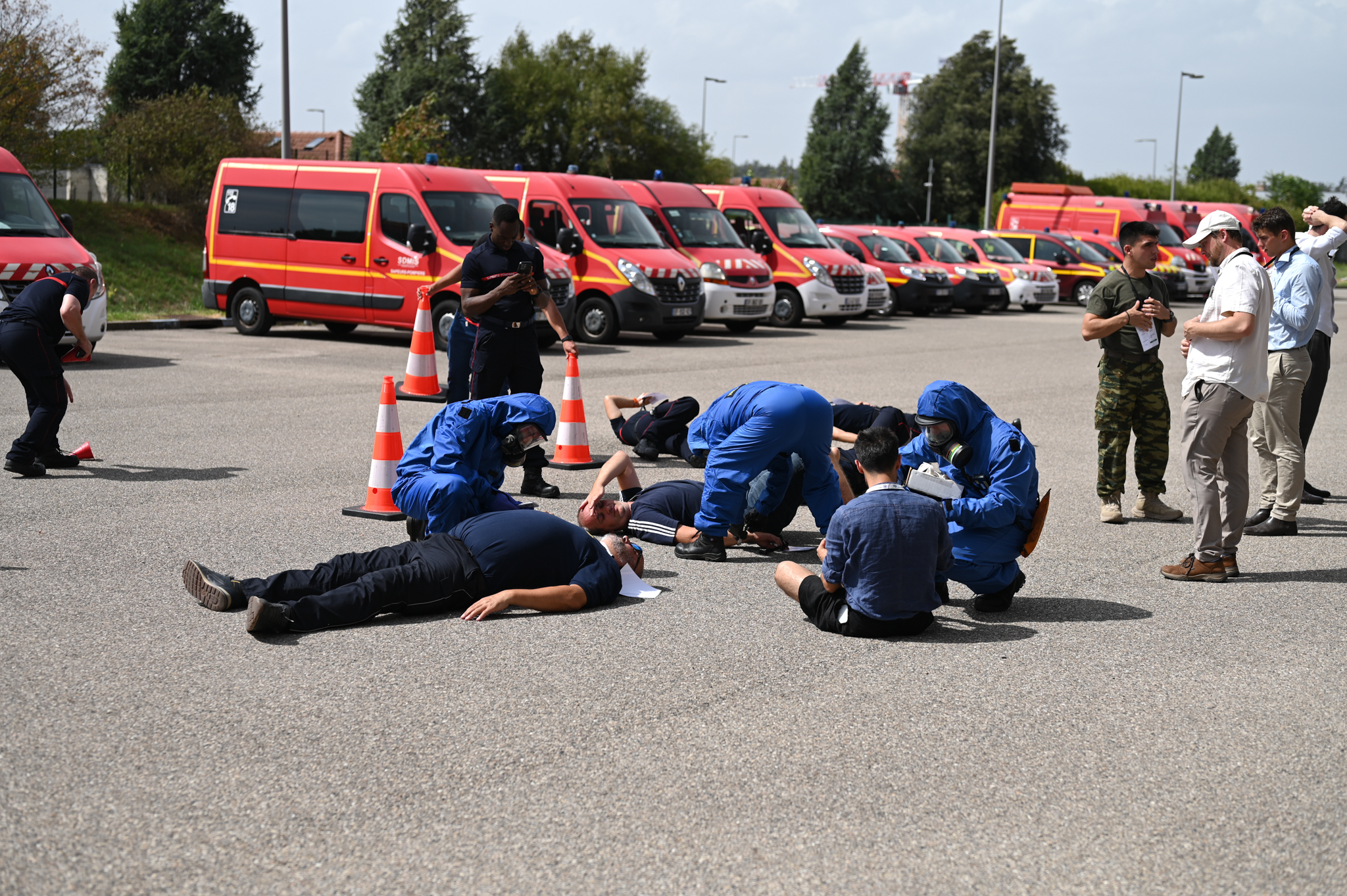
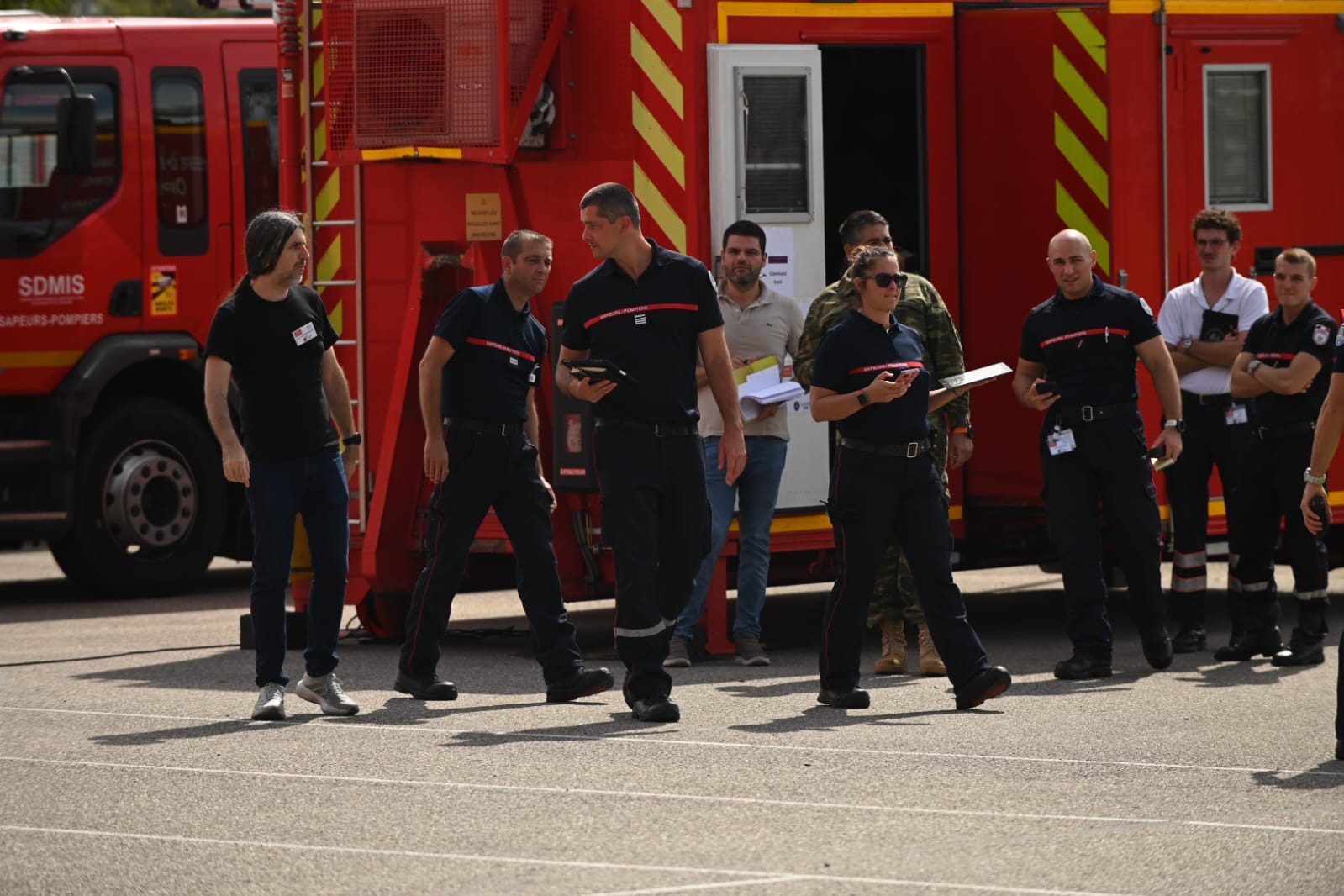
The week began with briefings, training, tool familiarisation and dry runs before moving into the main trial activities. A realistic scenario involving an explosion and a suspected radiological threat provided the setting for responders to work through different phases of a complex chemical, biological, radiological, nuclear and explosive (CBRN-E) incident.
TeamUP technologies in action
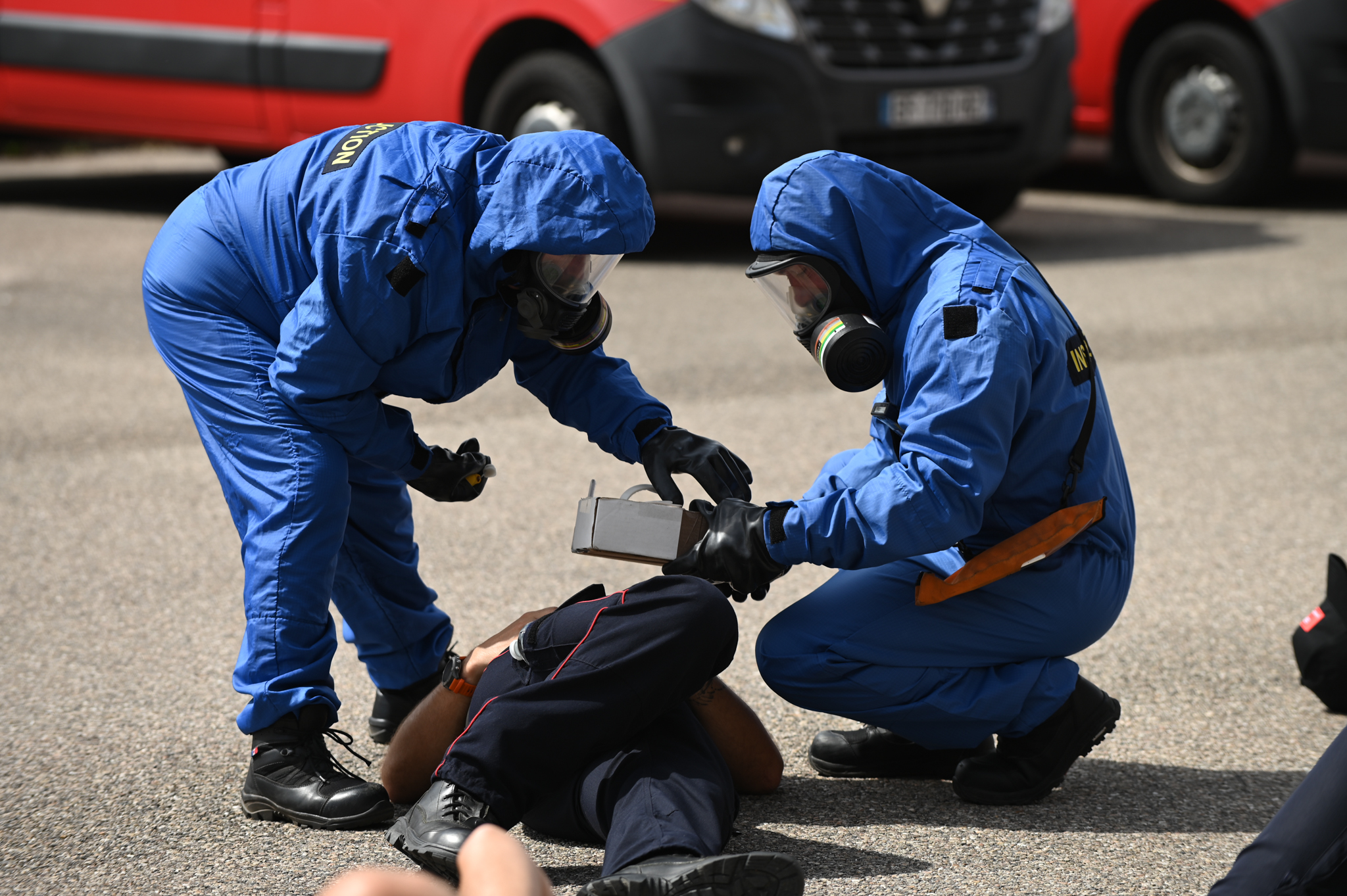
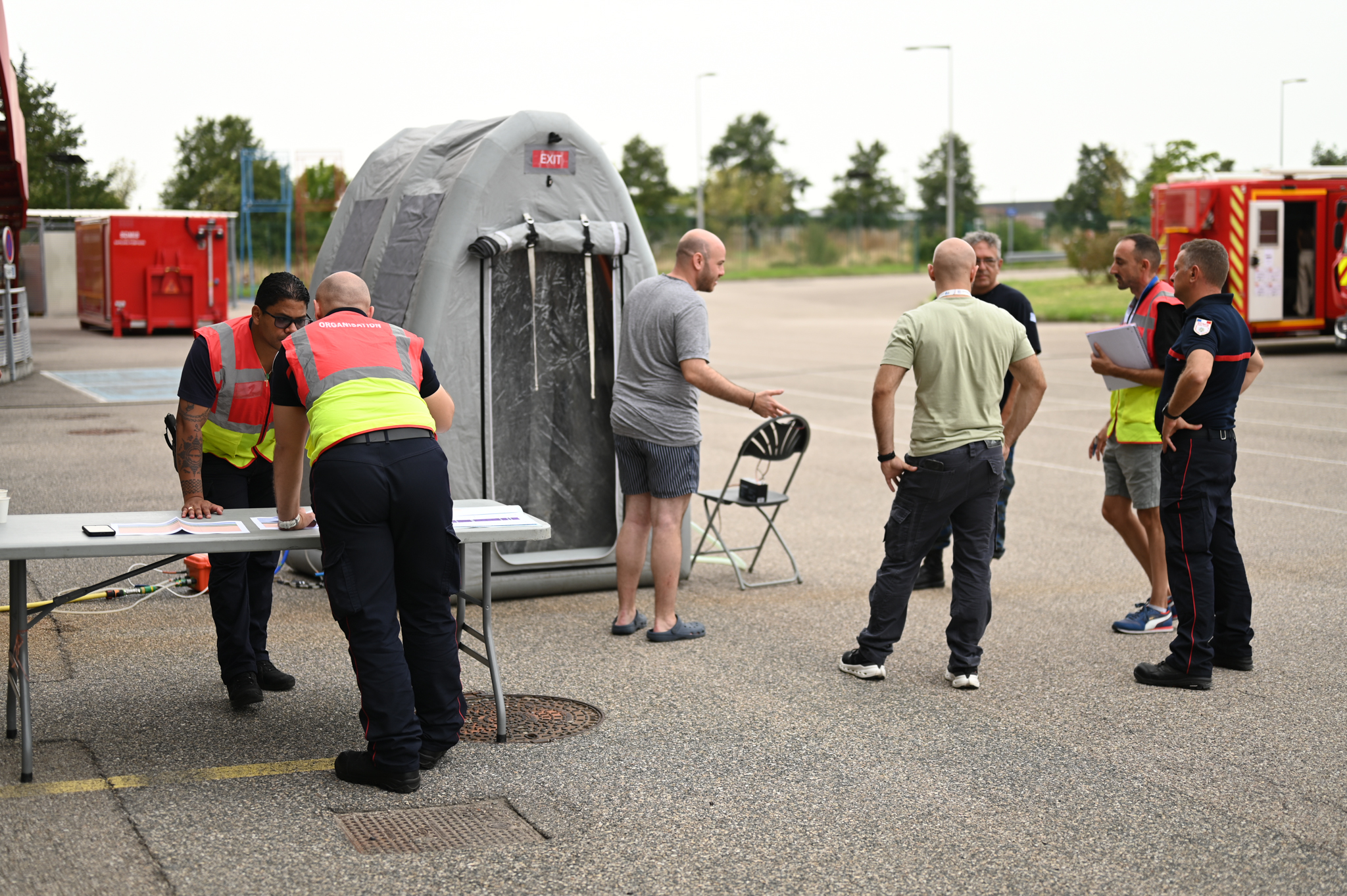
Throughout the week, participants worked through a series of operational workshops reflecting different stages of CBRN-E response. These covered detection, identification and monitoring; search and rescue; triage and casualty management; decontamination; incident coordination and information management; and advanced medical follow-up.
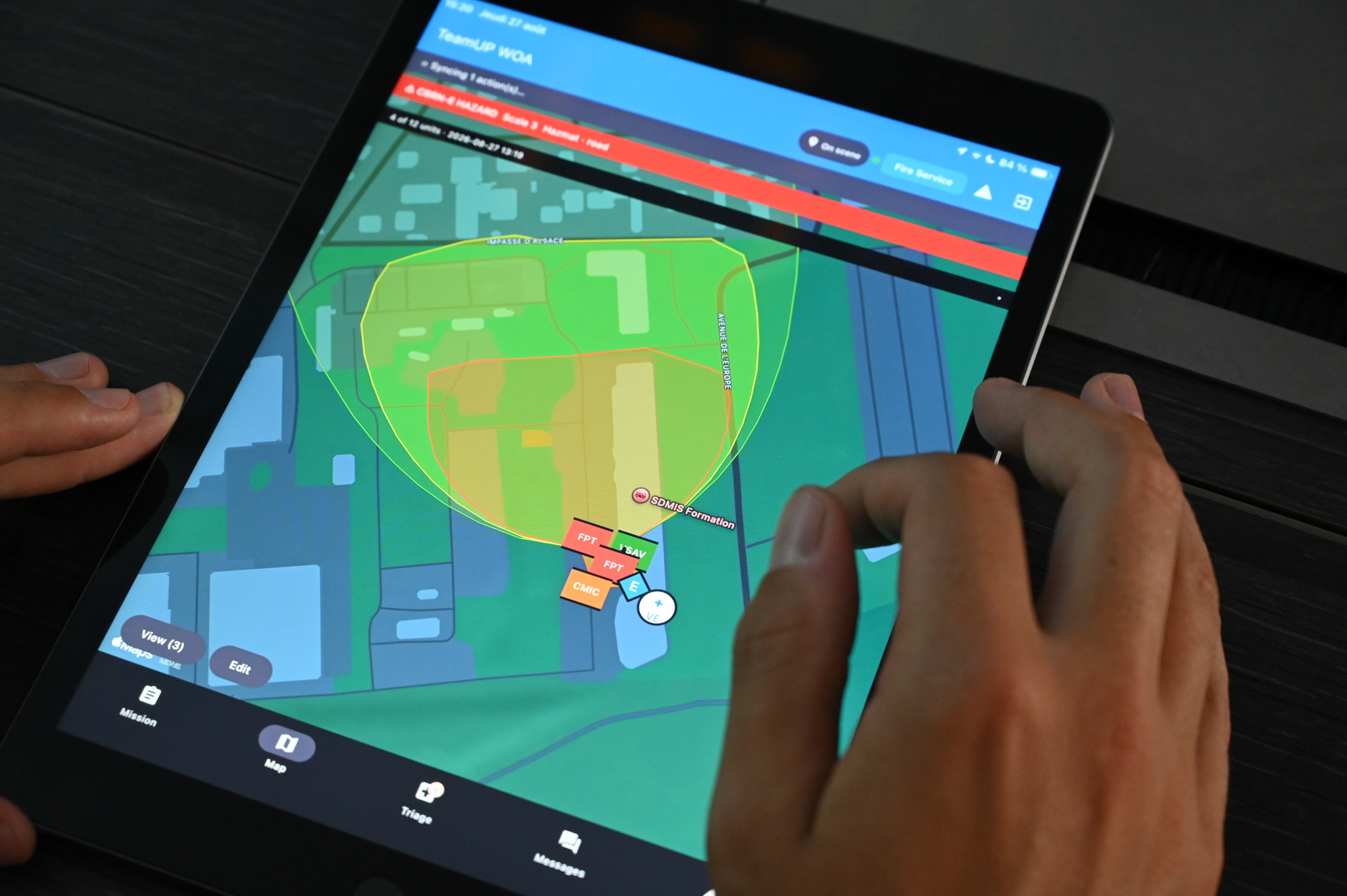
TeamUP technologies were integrated into these activities according to their intended operational use. Detection and monitoring tools supported the identification and assessment of hazards, while the Digital Triage Toolkit and AR Glasses were used to support casualty management. Decontamination technologies were tested as part of the response process, while digital applications including the Worksite Operations Application and Incident Management System supported the exchange and management of information between teams in the field and command.
The workshops also included an Advanced Medical Post, where TeamUP’s breath sampling approach was assessed in the context of post-exposure health monitoring.
Alongside the main scenario, dedicated training and technology-focused activities gave participants additional opportunities to work with individual tools and provide more detailed feedback.
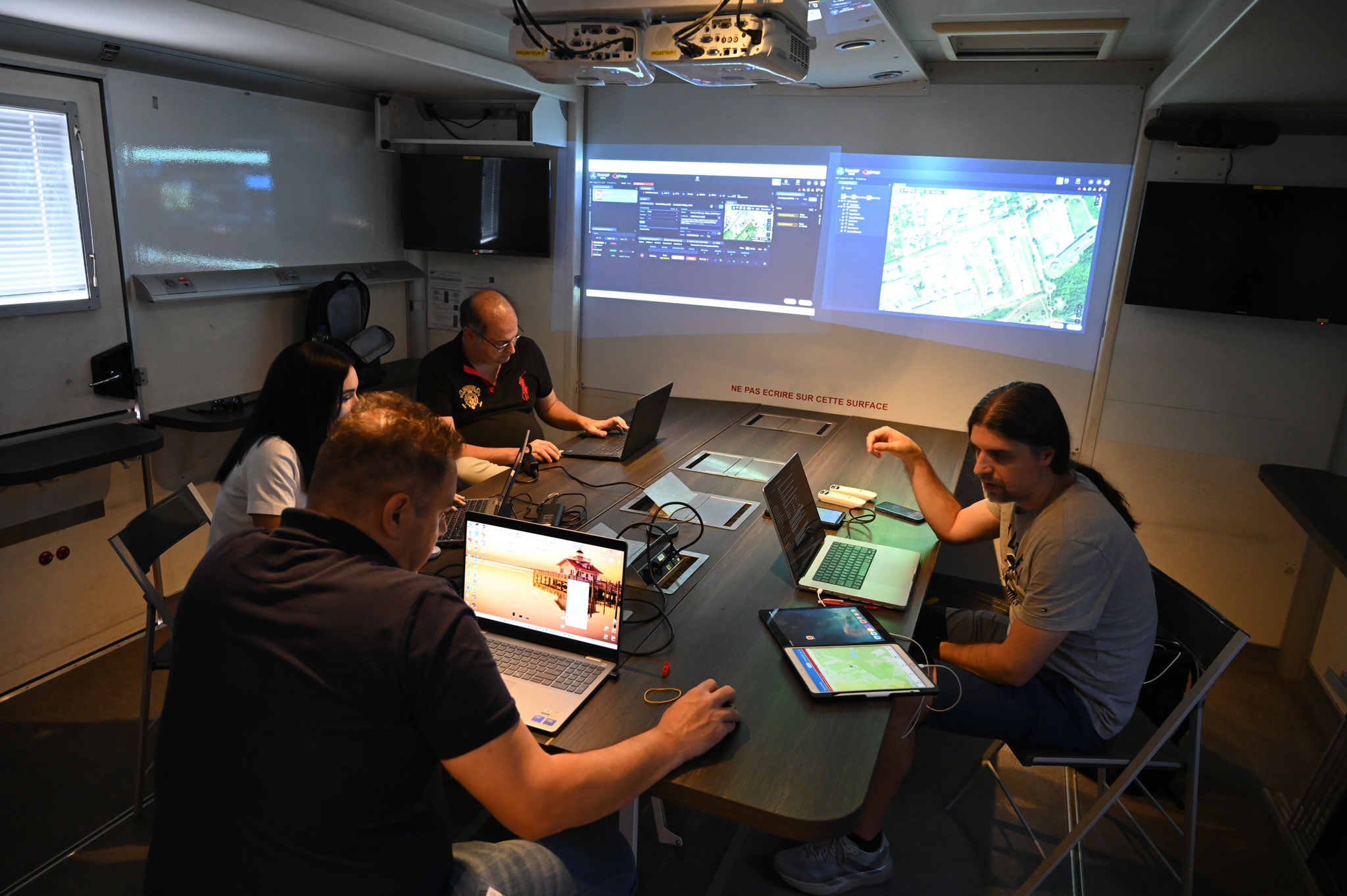
A main objective of the Lyon trial was to assess more than whether individual technologies function as intended. First responders and CBRN-E experts were able to use the tools under realistic operational constraints and evaluate their usability, practical applicability and compatibility with existing procedures.
This interaction between practitioners, researchers and technology providers is central to TeamUP. Lyon provided an opportunity to see not only whether individual tools work, but also how they can complement one another when several activities are taking place at the same time and information needs to move between responders and command.
Next stop: Athens
With the first Full-Scale Trial completed, partners will now evaluate the results and feedback gathered throughout the week. The lessons learned in Lyon will support further refinement of the technologies and will feed directly into preparations for TeamUP’s second Full-Scale Trial in Athens from 19 to 23 October 2026.
The Athens trial will provide another opportunity to test the TeamUP approach in a large-scale setting, with a particular focus on strengthening the capabilities of responders who may not be CBRN-E specialists.
The Lyon trial represents an important milestone for TeamUP and the culmination of extensive preparation across the consortium.